


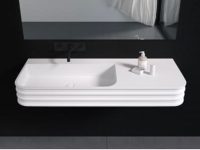
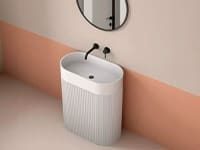

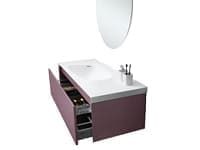
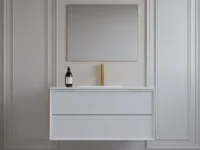

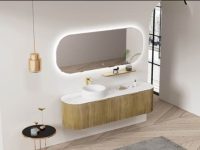
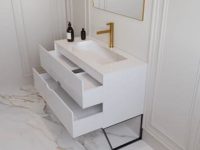















Luxury bathrooms reflect refined taste, long-term value, and thoughtful material selection. Every surface plays a role in shaping visual appeal, durability, and daily comfort. Countertops, in particular, carry both functional and aesthetic responsibility. When comparing materials, the discussion of stone vs. ceramic bathroom countertops is central for designers, developers, and homeowners seeking premium results.
Stone countertops continue to dominate high-end bathroom spaces across global luxury markets. Their visual depth, material strength, and long lifespan position them as a preferred choice over ceramic alternatives.
This luxury bathroom countertop guide explores why stone surfaces outperform ceramic in upscale bathroom environments, especially where quality, performance, and design longevity matter.
Why Stone Countertops are Dominating over Ceramic
1. Natural Character and Surface Presence
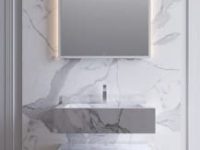
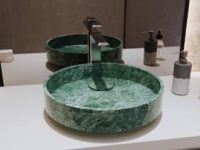
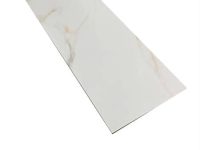
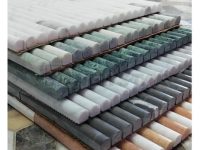
Stone countertops such as marble, granite, quartzite, and engineered quartz bring natural variation that ceramic surfaces struggle to replicate. Each slab carries unique veining, mineral patterns, and tonal depth. This individuality adds character and visual richness that defines premium interiors.
Ceramic countertops, while versatile in pattern printing, often lack depth when viewed up close. Stone surfaces interact dynamically with light, creating subtle shifts in color and texture that enhance spatial perception in luxury bathrooms.
2. Alignment with High-End Design Standards
Luxury bathrooms rely on materials that communicate permanence and sophistication. Premium bathroom surfaces typically feature natural or engineered stone due to their association with exclusivity and craftsmanship. Stone countertops integrate seamlessly into high-end residential, hospitality, and spa-style bathroom concepts.
3. Resistance to Daily Wear
Bathrooms experience frequent exposure to moisture, cosmetics, heat, and cleaning products. Stone countertops demonstrate strong resistance to these factors when properly sealed and maintained. Granite and quartz, in particular, offer excellent surface strength suitable for long-term use.
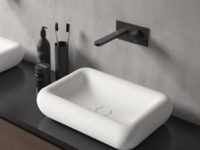
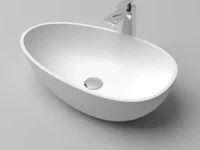
Ceramic countertops may develop visible grout lines or edge wear over time. Stone surfaces present a solid, continuous appearance that retains its finish across years of use. This durability supports the long-term value proposition of stone materials.
4. Structural Integrity in Luxury Applications
High-end bathrooms often feature integrated sinks, thick countertop profiles, and custom edge detailing. Stone handles these design requirements more effectively than ceramic. The benefits of stone countertops include structural stability that supports bespoke fabrication without compromising surface integrity.
5. Cleaning and Care Simplicity
Luxury homeowners expect surfaces that remain visually appealing without intensive upkeep. Stone countertops, especially engineered quartz, offer straightforward maintenance routines. Regular cleaning maintains surface clarity and hygiene.
Ceramic surfaces may appear easy to clean initially, yet grout areas can discolor or trap residue over time. Stone’s solid surface design minimises such concerns, contributing to a cleaner and more refined bathroom environment.
6. Longevity of Finish
Stone countertops age gracefully. Minor surface wear often adds character rather than detracting value. Ceramic surfaces, once chipped or cracked, can be difficult to repair discreetly. Stone refinishing options provide flexibility for restoration, supporting extended service life.
7. Seamless Integration with Fixtures

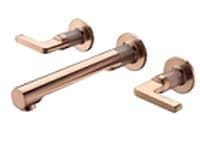
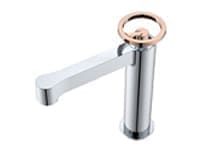
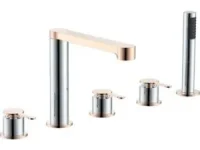
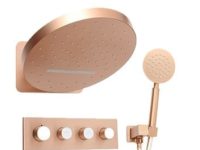
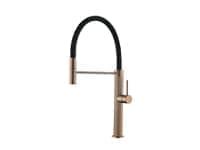
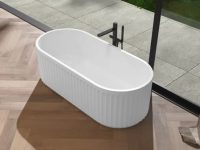
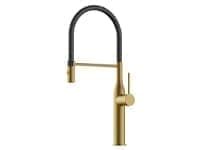
Luxury bathroom design relies on harmony between materials, fixtures, and spatial layout. Stone countertops pair naturally with statement features such as freestanding tubs, designer faucets, and bespoke cabinetry.
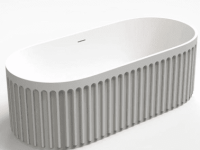
Designers frequently coordinate stone selections alongside luxury Bathtubs in the UK to achieve cohesive, high-end bathroom aesthetics. Ceramic countertops may limit design fluidity due to fixed tile sizes or joint placement. Stone slabs support uninterrupted surfaces that strengthen visual continuity.
8. Compatibility with Contemporary Layouts
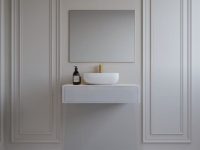
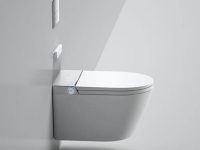
Modern luxury bathrooms often incorporate minimalist layouts, floating vanities, and concealed storage. Stone countertops complement these concepts through clean lines and refined finishes. Pairing stone surfaces with a wall-hung toilet in the UK aligns well with contemporary European-inspired bathroom design preferences.
RNK specialises in crafting modern, functional bathrooms across the UK. Our expert team combines high-quality materials with smart layouts, ensuring every space is stylish, durable, and tailored to your needs.
9. Improving Property Prestige
Luxury materials influence buyer perception and property valuation. Stone countertops consistently signal premium quality, craftsmanship, and investment value. In high-end residential developments, stone surfaces contribute to brand positioning and buyer confidence.
Ceramic countertops, while practical, may not convey the same level of exclusivity. For developers targeting luxury markets, stone materials strengthen differentiation and perceived value.
10. Supporting Long-Term Investment Decisions
Bathrooms designed using premium bathroom surfaces often require fewer upgrades across the property lifecycle. Stone countertops reduce replacement frequency, contributing to better cost efficiency over time despite higher initial material investment.
11. Sustainable Material
Many stone suppliers now follow responsible quarrying and manufacturing practices. Engineered stone options also utilise recycled content, appealing to environmentally conscious buyers seeking luxury without compromise.
Ceramic manufacturing involves high-energy firing processes. Stone alternatives present options aligned with sustainable building standards increasingly valued across global markets.
Practical Comparison of Stone and Ceramic Countertops
Performance in Moisture-Rich Environments
Bathrooms demand surfaces capable of handling humidity and frequent water exposure. Stone countertops perform reliably under these conditions when sealed appropriately. Quartz surfaces, in particular, offer non-porous properties suitable for luxury bathrooms.
Ceramic tiles resist moisture effectively, yet joints may present maintenance challenges over time. Stone’s continuous surface minimises such vulnerabilities.
Aesthetic Longevity
Trends in luxury bathrooms evolve, yet natural stone remains timeless. Ceramic designs often follow seasonal trends that may date more quickly. Stone surfaces maintain relevance across decades, reinforcing their role in enduring luxury design.
Why Stone Continues to Lead Luxury Bathroom Design
Stone countertops reflect a balance of beauty, strength, and long-term value. Designers and property owners favor stone due to its adaptability across classic and contemporary aesthetics. The benefits of stone countertops extend beyond appearance, influencing durability, maintenance, and property appeal. For bathrooms positioned as lifestyle spaces rather than purely functional rooms, stone surfaces provide the material foundation that luxury design demands.
While modern porcelain offers impressive practicality, stone’s depth, exclusivity, and timeless appeal make it the superior choice for those prioritising sophistication. Porcelain mimics trends effectively but may not match stone’s organic prestige over decades.
Bottom Line
Choosing stone countertops over ceramic represents a strategic design decision for luxury bathrooms. Stone delivers visual depth, durability, design flexibility, and long-term value unmatched by ceramic alternatives. Hence, stone surfaces stand out as the material of choice for premium spaces that prioritise quality and sophistication.
If you are planning to install a new countertop, RNK is your best choice. Browse our collection today and pick what suits you the best.
