














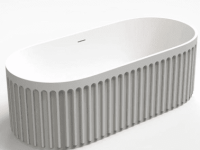









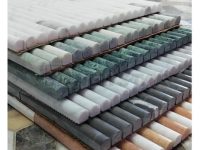






When choosing a stone bath tub, understanding the materials it is made from is essential for both longevity and performance. Stone baths are more than just a luxury feature; they combine durability, style, and a spa-like experience. The type of natural stone used affects the bath’s appearance, weight, heat retention, and maintenance requirements. For homeowners in the United Kingdom, selecting the right material ensures the bath suits the bathroom design while offering practical benefits. This guide explains the common materials used in stone baths, their properties, and what to consider when making your choice.
Common Materials Used in Stone Baths
Granite
Granite is a popular choice for stone bathtubs because of its exceptional hardness and resistance to scratches and stains. It retains heat well, making it ideal for long, relaxing soaks. Each granite bath is unique, with natural patterns and colours, offering a timeless and sophisticated look. Granite requires minimal maintenance but should be sealed periodically to protect against water damage.
Marble
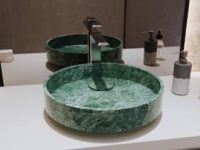
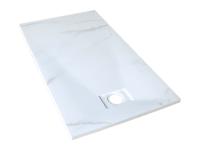
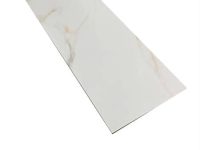
Marble provides a luxurious and elegant finish. Its smooth surface and natural veining make each marble stone bath a statement piece in any bathroom. Marble is softer than granite, which makes it more susceptible to scratches and stains, but its aesthetic appeal often outweighs these concerns. Regular sealing and careful cleaning are recommended to maintain its beauty over time.
Limestone and Travertine
Limestone and travertine are softer natural stones, known for their warm, earthy tones. These materials create a calming, organic feel in bathrooms. While visually appealing, they are more porous than granite or marble, so proper sealing is crucial to prevent water absorption and staining. They also require gentle cleaning to preserve their natural surface.
Onyx and Semi-Precious Stones
For those seeking a unique and striking feature, onyx baths or baths crafted from semi-precious stones offer translucency and vibrant patterns. These baths are often more delicate and expensive, requiring careful installation and maintenance. They are perfect for creating a luxurious, high-end bathroom experience.
Composite Stone
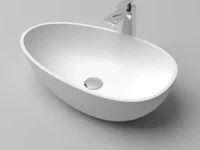
Some modern stone bath tubs use composite materials that blend natural stone with resins. These baths are lighter, easier to install, and offer a uniform appearance while maintaining many benefits of natural stone, such as durability and heat retention. Composite stone is also less porous, reducing the need for frequent sealing.
Key Considerations When Choosing Stone Materials
- Weight and Support: Natural stone is heavy; ensure your floor can support the bath’s weight.
- Maintenance Needs: Softer stones need regular sealing and gentle cleaning, while granite is more forgiving.
- Aesthetic Preferences: Consider colour, pattern, and how it complements your existing bathroom fixtures.
- Heat Retention: Denser stones retain heat longer, offering a spa-like experience.
- Budget: Natural stone like granite or marble may cost more, while composite options provide a cost-effective alternative.
Conclusion
Choosing the right material for your stone bath is about balancing aesthetics, functionality, and maintenance. Whether you opt for the robust granite, elegant marble, or lightweight composite stone, each material has distinct qualities that affect durability, appearance, and comfort. By understanding these differences, homeowners in the UK can select a bath that enhances both the style and usability of their bathroom, ensuring years of relaxation and enjoyment. For more options and expert advice, explore our range of stone bath tubs designed for modern living.
