








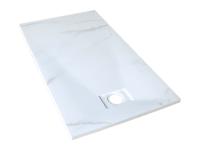


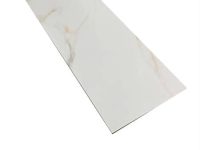
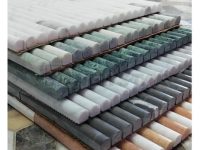



The cost of a stone bath depends on factors such as the type of stone used (marble, granite, limestone), size and design, level of craftsmanship, whether it is bespoke or mass-produced, and installation requirements. Additional costs may include delivery, structural support, and finishing details.
Understanding these cost factors helps you make an informed decision and avoid unexpected expenses during installation. Whether you’re planning a luxury bathroom upgrade or comparing different stone bath options, knowing what influences pricing ensures better value for money. Below, we break down each factor in detail to help you choose the right stone bath for your space.
1. Type of Stone Material
The material of a stone bath is one of the most significant factors influencing cost. Popular options include:
- Marble baths: Luxurious, polished, and highly durable, often the most expensive option.
- Granite baths: Strong, resistant to heat, and slightly more affordable than marble.
- Travertine or limestone baths: Softer stones with natural textures, usually lower in price.
- Composite stone baths: A blend of natural stone and resin, offering stone-like durability at a reduced cost.
The rarity of the stone, its origin, and natural veining all affect the stone bathtub price in the UK.
2. Size and Shape of the Bath
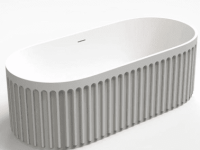
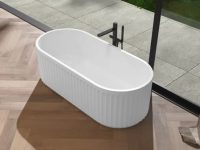
The dimensions and design of a bath play a crucial role in determining its price. Standard rectangular stone tubs are usually less expensive, while freestanding or bespoke stone baths require more material, labour, and precision, which significantly increases the cost. Unique shapes or large luxury stone baths naturally demand higher investment.
3. Finish and Surface Treatment
Stone bath finishes impact both look and price. Polished surfaces provide a sleek, reflective appearance but are labour-intensive, whereas matte, honed, or textured finishes are slightly more affordable. Additional treatments such as sealants, scratch resistance, and waterproof coatings protect the tub and enhance its longevity, adding to the overall stone bathtub cost.
4. Craftsmanship and Brand Reputation
Handcrafted stone baths are more expensive due to skilled workmanship required to shape, carve, and polish the stone. Premium UK brands may also charge higher prices for their reputation, ensuring durability, precision, and luxury appeal in your bathroom.
5. Installation Complexity
Installing a stone bathtub requires careful planning. Freestanding designs are heavy and may need reinforced flooring or adjustments to plumbing. Built-in options might be cheaper, but weight distribution, structural support, and professional labour all add to installation costs.
6. Additional Features
Modern stone tubs often include enhancements like spa-style contours, ergonomic designs, or integrated overflow systems. These features improve comfort and aesthetics but can raise the overall investment required for a premium bathroom upgrade.
Final Thoughts
When budgeting for a stone bathtub in the UK, consider the type of stone, size and shape, finish, craftsmanship, installation, and extra spa-like features. By weighing these factors, you can choose a luxury stone bath that balances style, durability, and cost, creating a statement piece that enhances both the comfort and value of your home. Investing wisely ensures your natural stone tub remains a practical and elegant centerpiece for years to come.
