






















A shower is one of those fixtures that most people choose based on familiarity; they buy what they know, replace what was already there, or pick whatever fits the budget and the plumber’s availability. The result is that a significant number of UK bathrooms are fitted with a shower system that is simply not the best match for the plumbing infrastructure, the room layout, or the preferences of the people using it every day.
Understanding what the different shower types actually are, how they work, what they need, and what they deliver makes the decision considerably more informed. The range of bathroom shower options available in the UK market is broader than most people realise, and the differences between them are meaningful.
Types of Shower Systems
Electric Showers
The electric shower is one of the most common shower types in UK homes, and for straightforward reasons. It heats cold water on demand using an internal element, which means it operates entirely independently of the home’s hot water system. No boiler, no cylinder, no waiting for water to heat up; it draws from the cold supply and heats exactly what it needs, when it needs it.
Who They Suit
Electric showers make particular sense in properties where the hot water supply is unreliable, where multiple bathrooms share a single boiler, or where the shower is used infrequently. The energy efficiency argument is also real; water is only heated while the shower runs, so there is no energy spent maintaining a tank of hot water that may not be used.
The Limitations
The trade-off is flow rate and temperature consistency. Electric showers typically deliver a lower volume of water than mixer or power showers, and in cold months, when incoming mains water is colder, the output temperature can drop noticeably. For anyone who values a strong, consistent spray, an electric shower rarely delivers the experience they are looking for.
Mixer Showers
Mixer showers blend hot and cold water from the existing supply to produce a controlled output temperature. They are the most versatile category and encompass everything from straightforward manual valves to sophisticated thermostatic systems. Understanding the distinction between those two subcategories is useful.
Manual Mixers
A manual mixer allows the user to adjust the ratio of hot and cold water directly, typically via a single lever or two separate controls. They are simple, reliable, and inexpensive. The limitation is that any change in water pressure elsewhere in the house, such as someone flushing a toilet, running a tap in another room, can cause the temperature to shift unexpectedly. In a family home with shared plumbing, this is a daily irritation.
Thermostatic Mixers
Thermostatic mixer showers address the temperature stability problem directly. The valve maintains a preset output temperature regardless of pressure fluctuations in the supply, and most models include an anti-scald device that cuts the flow if the cold supply fails entirely. For households with children, or for anyone who values a consistent morning routine, a thermostatic mixer is a meaningful upgrade over a manual alternative.
Power Showers
When it comes to power showers, they can simply be explained as mixer showers with an integrated pump. The pump boosts the water pressure and flow rate from the supply, which makes it the right solution for homes with a gravity-fed hot water system where pressure is naturally low. The result is a shower that delivers the kind of strong, high-volume spray that a gravity system alone could not produce.
The important caveat is that power showers are incompatible with combi boilers. They are designed specifically for systems that use a hot water cylinder, and they draw from the stored hot water rather than heating on demand. They also use considerably more water per minute than electric or mixer showers, which is worth factoring into both running costs and environmental impact.
Rainfall Shower Heads
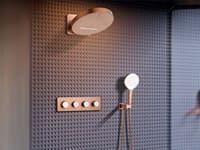
A rainfall head is one of the most significant upgrades a shower can receive, regardless of the system it is connected to. The head is positioned overhead and delivers water in a wide, even curtain that covers the entire body simultaneously rather than directing spray at a single point. The experience is closer to standing in warm rain than to using a conventional directional head, more immersive, more enveloping, and considerably more relaxing.
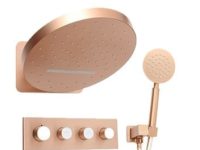
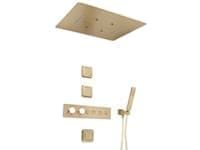
At RNK, the shower collection includes multi-function systems that combine rainfall delivery with adjustable body jets and a handheld shower, offering a layered experience that adapts to different moods and needs within the same installation. Explore the full range of luxury bathroom showers to find systems and configurations that suit both your plumbing and your vision for the space.
Digital Showers
Digital showers are the most recent evolution of the mixer category and represent a genuinely different experience. Temperature and flow are controlled electronically, typically via a touch-sensitive panel mounted on the wall or a remote control that can be operated before stepping in. Many systems allow users to save a preferred temperature and flow setting so the shower is ready at exactly the right specification without any adjustment.
Higher-end digital systems support multiple user profiles, integrate with smart home platforms, and in some cases can be activated remotely, so the shower is at the desired temperature before you leave the bedroom. As part of a broader category of types of shower systems, digital showers sit at the high-specification end and suit bathrooms where the overall design intent is modern and considered.
Walk-In Shower Designs
Walk-in shower designs are a configuration rather than a system type; they describe the enclosure rather than the mechanism, but they deserve their own discussion because they have become one of the defining features of contemporary bathroom design and because the choice of configuration directly affects which shower systems work best within it.
A walk-in shower uses a fixed glass screen rather than a door. There is no hinge, no seal to maintain, no frame to clean around. The shower area is open on one side, and the screen simply contains the spray within the zone. The visual effect is one of the most open and spacious configurations a bathroom can have, particularly when the screen is frameless, and the shower tray sits flush with the floor.
What Works Best Inside a Walk-In
Walk-in designs pair most naturally with overhead rainfall shower heads, which deliver a wide-coverage spray that does not direct water aggressively toward the open side of the enclosure. A fixed arm at ceiling height or a tall wall-mounted arm brings the head above shoulder level, producing an immersive, enveloping experience that has become strongly associated with high-end bathroom design.
Shower Trays and Wet Rooms
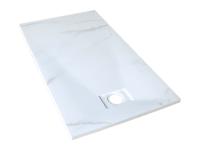
The floor system beneath the shower deserves as much attention as the system above it. A standard raised tray in stone resin or acrylic is the most common choice and suits the majority of bathroom layouts. Luxury shower trays, now available at our website, elevate the floor element into the same quality register as high-end fixtures and fittings above. The material quality is consistent throughout, rather than dropping off at floor level.
Wet room systems, where the floor is fully waterproofed, and a linear or central drain sits flush with the surface, offer the most seamless aesthetic available. They require professional installation and thorough tanking but produce a result that is genuinely difficult to match in terms of visual continuity and accessibility.
Making the Right Choice
The right shower system depends on three things: the plumbing infrastructure already in place, the layout and design intent of the bathroom, and the experience the user actually wants. Electric showers suit independence and efficiency. Thermostatic mixers suit consistency and control. Power showers suit low-pressure systems. Digital showers suit those who want precision and a modern experience. And the enclosure, walk-in, enclosed, or wet room, shapes how all of that lands in the room.
