


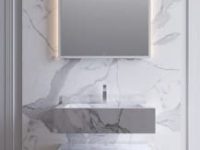
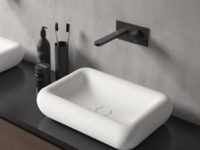

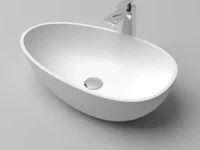
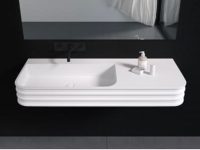
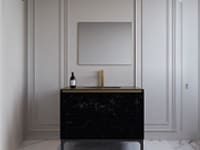
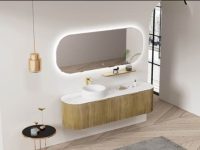
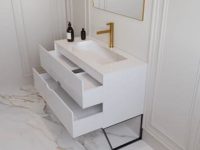
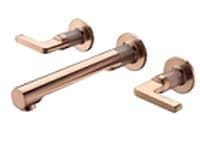








Bathrooms in the UK are entering a new design era. In 2026, they are no longer treated as purely practical rooms tucked away at the edge of the home. Instead, they are becoming carefully designed spaces that support daily comfort, well-being, and long-term value. Homeowners are paying closer attention to how a bathroom looks, feels, and functions, especially as lifestyles continue to change. This shift is driving a clear move towards thoughtful layouts, warmer aesthetics, and smarter features that enhance everyday routines without adding complexity.
The bathroom trends in the UK in 2026 reflect a growing preference for calm, inviting environments rather than cold, clinical finishes. Natural textures, muted colours, and refined details are replacing stark whites and high-gloss surfaces. At the same time, technology is being introduced in a subtler way, focusing on efficiency, ease of use, and sustainability rather than visual impact.
This blog explores the key contemporary ideas influencing UK homes in 2026.
1. The Shift towards Smarter Bathroom Design
Technology-Driven Comfort
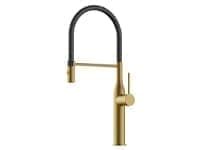
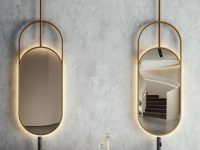
Technology now plays a quiet but powerful role in modern bathroom designs. Smart mirrors with integrated lighting offer better visibility during daily routines. Digital shower controls allow precise temperature settings without trial or guesswork. Touch-free taps improve hygiene while reducing water waste. These features focus on comfort without overwhelming the space. The result feels intuitive rather than technical.
Energy and Water Efficiency Innovations
Efficiency has moved from optional to expected. Low-flow fixtures, sensor-based taps, and dual-flush systems help reduce consumption without affecting performance. Smart controls also track usage patterns, allowing homeowners to manage costs more effectively. These upgrades future-proof bathrooms while aligning with UK sustainability goals.
2. Minimalist Aesthetics with Warm Details
Soft Neutrals and Earthy Colour Palettes
White-only bathrooms are losing appeal. In their place, warmer shades create depth without visual clutter. Taupe, soft clay, and sage green bring a grounded feel that suits both compact homes and larger properties. These colours soften minimalist layouts while keeping the space bright.
Textured Finishes Over High Gloss
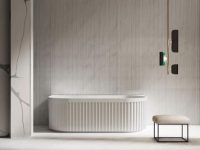
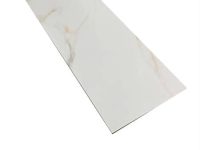
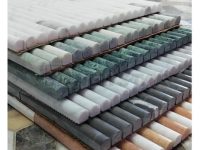
Texture adds interest where ornamentation once dominated. Fluted tiles, subtle plaster finishes, and stone-effect surfaces bring character without overwhelming the design. Gloss-heavy finishes now feel stark by comparison. Textured surfaces absorb light gently, creating a relaxed atmosphere.
3. Statement Sanitary Ware Takes Centre Stage
Wall-Hung and Floating Fixtures
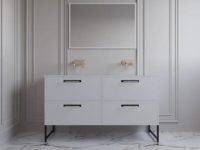
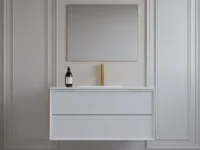
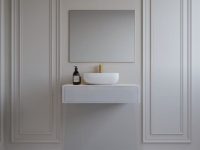
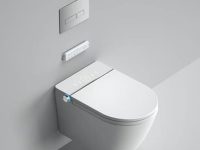
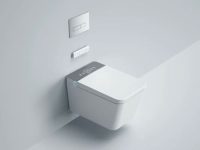
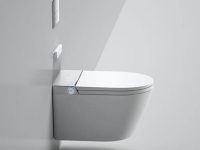
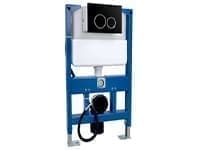
Wall-hung toilets, basins, and vanity units continue to define contemporary bathroom ideas. Floating designs open floor space, making cleaning easier while improving visual flow. This approach works especially well in smaller UK bathrooms where space efficiency matters most.
Sculptural Basins and Bold Silhouettes
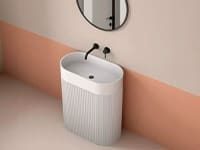
Basins now function as focal points rather than background elements. Curved edges, asymmetric forms, matte finishes add personality to otherwise minimal layouts. These sculptural choices bring visual interest without relying on decorative excess.
4. Natural Materials and Organic Influence
Stone, Timber, and Terrazzo Surfaces
Nature-inspired materials dominate modern bathroom designs in 2026. Timber vanities add warmth when properly sealed. Terrazzo introduces a subtle pattern without visual noise. Natural stone surfaces offer timeless appeal, particularly when paired with muted colour palettes.
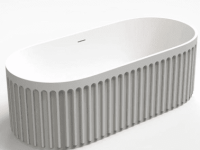
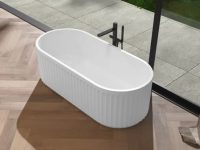
A carefully selected stone bathtub from RNK becomes a centrepiece in larger bathrooms, delivering tactile quality while reinforcing the wellness theme.
Nature-Inspired Forms and Layouts
Rounded edges, gentle curves, and organic shapes replace sharp lines. Layouts focus on movement rather than rigid symmetry. This approach improves flow while creating a calming environment that feels intentional rather than overly styled.
5. Luxury Showers as a Daily Escape

Walk-In Showers with Seamless Screens
Walk-in showers remain a strong preference across UK homes. Frameless glass screens maintain openness while preventing water splash. Large-format tiles reduce grout lines, creating a cleaner look that feels expansive even in smaller rooms.
Rainfall and Multi-Function Shower Systems
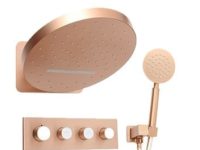
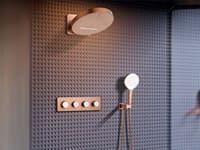
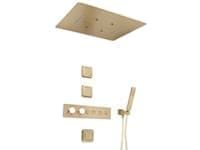
Showers now deliver more than basic function. Rainfall heads, body jets, and thermostatic controls provide comfort without complexity. These systems support the spa-inspired direction seen throughout bathroom trends in the UK in 2026.
6. Lighting That Enhances Mood and Function
Layered Lighting for Practical Use
Single overhead lights no longer meet modern expectations. Layered lighting combines ceiling fixtures with task lighting near mirrors. This approach improves visibility while maintaining balance throughout the space.
Ambient and Accent Lighting Trends
Soft LED strips beneath vanities, behind mirrors, and within shelving add subtle ambience. Warm light temperatures create a relaxing mood while avoiding harsh contrasts. Lighting now supports wellbeing as much as visibility.
7. Sustainable Choices Become the Standard
Eco-Friendly Materials and Finishes
Sustainability influences every design decision. Recycled materials, responsibly sourced timber, and low-emission finishes reduce environmental impact. These choices also improve indoor air quality, which matters more as bathrooms become wellness-focused spaces.
Long-Lasting Design Over Fast Trends
UK homeowners now prioritise durability. Timeless finishes outperform trend-driven designs that date quickly. Investing in quality fixtures reduces replacement needs while offering better value over time.
8. Compact Bathrooms Designed with Purpose
Space-Saving Layouts for Urban Homes
Urban properties require smart solutions. Compact wall-hung fixtures, sliding shower screens, and recessed storage help maximise every centimetre. These strategies make small bathrooms feel functional without feeling cramped.
Clever Storage Solutions
Storage integrates seamlessly into design. Built-in niches, mirrored cabinets, and vanity drawers hide essentials without clutter. This approach supports daily routines while maintaining a clean visual profile.
Bathroom Renovation Tips in the UK
Updating your bathroom in 2026 focuses on comfort, durability, and style while blending modern trends with practical design.
- Choose moisture-resistant materials to prevent damage and maintain a long-lasting bathroom environment.
- Prioritise energy-efficient fixtures to reduce water and electricity usage without compromising style.
- Incorporate neutral colour palettes to create a calm, timeless, and versatile bathroom space.
- Invest in high-quality storage solutions for clutter-free surfaces and organised essentials.
- Add natural textures like wood or stone for warmth and tactile appeal.
- Upgrade lighting with layered options to improve functionality and create an inviting atmosphere.
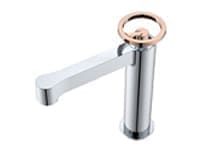
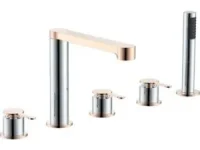
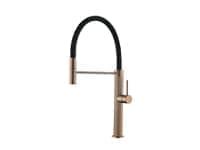
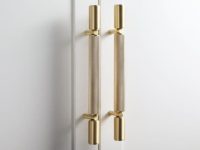
- Select modern taps and fittings that balance aesthetic appeal with durability.
- Include subtle smart technology for convenience, such as motion-sensor taps or heated floors.
- Consider space-saving layouts that maximise usability in small or compact bathrooms.
Conclusion
The contemporary bathroom trends shaping UK homes in 2026 reflect a deeper understanding of how these spaces are used every day. Design choices now focus on comfort, longevity, and balance rather than short-lived visual impact. Warm colour palettes, tactile surfaces, and nature-led materials create bathrooms that feel inviting without losing a clean, modern identity. These changes mark a clear departure from cold, overly minimalist styles, replacing them with spaces that feel considered and personal. This combination of form and function defines the bathroom trends in the UK in 2026.
For homeowners exploring premium upgrades such as luxury bathtubs, RNK offers options suited to modern UK interiors. Connect with our experts today to discuss designs, materials, and finishes that support lasting comfort and everyday practicality within your bathroom space.
