
















Bathroom taps have come a long way, from their humble beginnings in ancient civilisations to the smart, water-efficient tap designs of today. Over the centuries, tap designs have evolved in both functionality and aesthetics, adapting to technological advancements and changing interior design trends. Understanding their evolution helps you make an informed choice for your bathroom.
In this blog, we will go over all the changing trends in taps throughout the history and outline the perfect guide to selecting the best smart bathroom taps for your home. Let’s start!
A Timeline for the Evolution of Tap Design
Ancient Civilisations and Early Water Control
The earliest forms of taps can be traced back to the Egyptians, Greeks, and Romans. These civilisations pioneered water distribution through aqueducts, fountains, and rudimentary taps made from clay, stone, and bronze.
The Romans, in particular, developed intricate plumbing systems using lead pipes to supply water to public baths and homes.
The Middle Ages to the 17th Century
With the fall of the Roman Empire, sanitation and plumbing saw a decline, leading to a period where taps were almost nonexistent. It wasn’t until the Renaissance that water fixtures slowly re-emerged.
During this period, wealthy households incorporated simple brass and bronze taps, often operated with a wooden plug mechanism.
19th Century Innovations
The Industrial Revolution played a crucial role in the evolution of tap design. The introduction of modern plumbing systems and the mass production of metal pipes made taps more practical and widely accessible.
The screw-down tap, which allowed better control over water flow, became a standard feature in many homes.
20th Century Advancements
In the 20th Century, significant innovations transformed bathroom tap designs. Mixer taps, which combined hot and cold water through a single spout, became a popular choice.
The introduction of ceramic disc technology improved durability and eliminated common issues such as leaks and wear over time.
Traditional vs. Modern Tap Designs
Traditional Taps
Traditional taps are characterised by their intricate detailing, vintage aesthetics, and timeless charm.
Inspired by Victorian and Edwardian styles, these taps often feature crosshead handles, curved spouts, and polished brass or chrome finishes. Their refined design makes them a perfect match for classic bathroom interiors, adding sophistication and a sense of heritage to any space.
Modern Taps
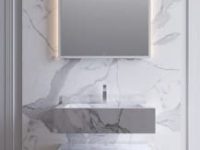
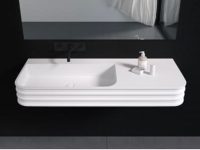
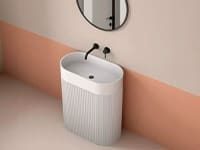
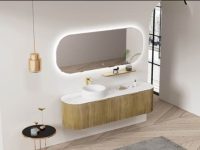
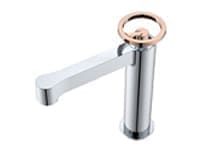
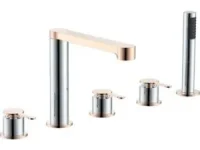
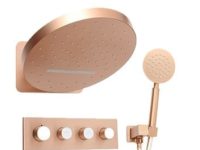
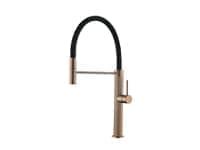
Modern tap designs prioritise simplicity, clean lines, and enhanced functionality. Popular finishes such as chrome, matte black, and brushed gold create a contemporary aesthetic that perfectly complements a modern bathroom sink and interior style.
Many designs incorporate single-lever operation for effortless temperature and water flow control, while wall-mounted and waterfall-style taps add a luxurious touch to minimalist spaces.
Popular Bathroom Tap Styles
Water-Efficient Tap Designs
With a growing focus on environmental responsibility, water-efficient tap designs have become a standard feature in many homes.
Aerator taps mix air with water to reduce flow without compromising performance, while thermostatic mixer taps maintain a consistent water temperature, preventing wastage and reducing energy consumption.
Smart Taps
Advancements in technology have introduced smart taps that enhance convenience, hygiene, and water conservation.
Touchless taps equipped with motion sensors reduce the spread of germs by eliminating the need for physical contact. Digital temperature controls allow for precise adjustments, while WI-Fi-enabled models enable remote monitoring of water usage.
Classic Crosshead Taps
Crosshead taps feature a traditional double-handle design, providing separate control over hot and cold water. Their vintage charm makes them an excellent choice for period-style bathrooms.
Monobloc Mixer Taps
A popular choice for contemporary bathrooms, monobloc mixer taps offer precise control over temperature and water flow through a single spout. Their minimalist appeal makes them a versatile addition to any bathroom.
Waterfall Taps
Waterfall taps create a spa-like ambience by delivering a gentle, cascading water flow. Available in both traditional and modern designs, they add a touch of luxury to any bathroom setting.
Wall-Mounted Taps
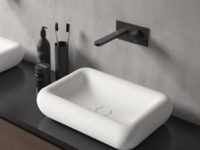
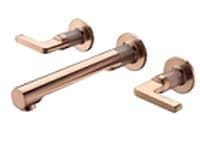
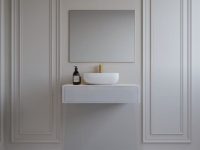
Ideal for small bathrooms, wall-mounted taps provide a sleek, uncluttered look. These taps work well with countertop basins, creating a modern and stylish aesthetic.
The Evolution of Tap Design: Materials, Finishes, and Functionality
Materials
Traditional taps were primarily made from brass, valued for its strength and natural resistance to corrosion. Brass remains a popular choice due to its longevity, but modern tap designs now incorporate a range of materials to cater to diverse aesthetic and functional needs.
Stainless steel has gained popularity for its sleek appearance, rust resistance, and ease of maintenance. Zinc alloys provide an affordable alternative, while glass taps add a unique, contemporary touch to modern interiors. Some high-end designs even incorporate ceramic or composite materials, blending durability with artistic appeal.
Finishes
The finish of a tap plays a crucial role in defining the overall look of a bathroom or kitchen. Chrome remains a timeless favourite, offering a highly reflective, polished surface that complements various decor styles.
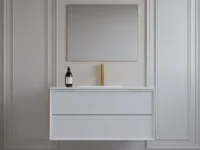
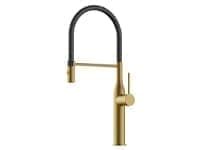
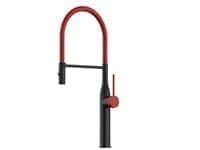
Matte black has surged in popularity, providing a bold, modern aesthetic that contrasts beautifully with lighter surfaces. Brushed gold introduces an element of luxury and warmth, making it a sought-after choice for elegant, contemporary spaces.
Other finishes, such as brushed nickel, oil-rubbed bronze, and gunmetal grey, further expand the possibilities for customisation and personal style.
Functionality
Modern tap technology has transformed the way we interact with water. Thermostatic controls ensure precise temperature regulation, reducing the risk of scalding and enhancing safety in homes with children or elderly residents. Pressure-sensitive and touchless sensor taps improve hygiene and convenience, making them ideal for high-use environments.
Eco-friendly features, such as aerators and flow restrictors, help conserve water without compromising performance, aligning with sustainable living initiatives. Some smart taps even integrate digital displays and voice activation, offering a futuristic approach to water usage.
Conclusion
Tap design has undergone a remarkable transformation from ancient clay and stone taps to smart bathroom taps.
The evolution of tap design continues to focus on aesthetics, sustainability, and technology, catering to the diverse needs of homeowners. Today’s taps offer a perfect balance of style and functionality.
Looking for the best modern bathroom taps for your home? Reach out to RNK for the latest designs in the UK!
