


































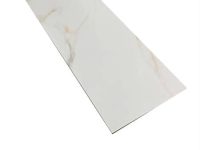







Every tile has a personality. Marble arrives like a showstopper, all drama and soft veins, while other stones stand quietly beside it, solid, earthy and steady. The stone tile vs. marble tile debate is really about how you live, how your room behaves and how much care you want to give. It is simpler than it sounds.
Here you will see how each material looks, wears, handles water and responds to cleaning, along with the rooms where each one shines. By the end, your decision will feel calm and natural, and your budget will thank you for making it with confidence. Let us start with the basics.
Understanding Stone and Marble Tiles
Marble is a natural stone, so this comparison is between marble and other natural stones, such as granite, slate, travertine and limestone. Each forms differently, which explains why they look, feel and behave so differently on your floor or wall.
Marble is known for soft veining and a polished glow, but it is porous and reacts to acids. Granite and slate are denser and tougher, while travertine and limestone bring an earthy, matte charm. Knowing these basics makes later comparisons much easier to follow.
Each stone has its own personality, and the right one feels like it was made for your room. RNK offers stone tiles in the UK with quality and character in every piece. Connect with us today and meet the stone that suits your space!
Stone Tile vs. Marble Tile: Looks, Strength and Care
Four points drive most choices, so here is an honest look at each in the stone tile vs. marble tile comparison.
Style and Veining
Marble is the standout choice for drama, with flowing veins and a soft glow that bounces light around a room. Other stones lean calmer: granite is speckled, slate is layered and travertine is warm and pitted. Pick marble for elegance and other stones for earthy character.
Strength and Wear
Granite is highly durable and heat resistant, and slate is dense and hard, so both generally outperform marble on busy floors. Marble is softer and shows scratches and dull patches sooner. Limestone and marble vary in hardness and porosity, so each needs appropriate care.
Water, Stains and Slip Risk
Marble, limestone and travertine contain calcium carbonate, so acidic spills leave dull, etched marks. Slate can resist water and stains well, though performance varies and some finishes feel slippery when wet. Polished marble can also be a slip hazard, so choose honed or textured finishes for wet floors.
Cleaning and Sealing
Natural stone may need sealing after installation, with resealing following the manufacturer’s maintenance advice. Use a pH-neutral cleaner, soft cloths and remove spills quickly. Avoid vinegar, lemon and bleach, especially on marble, because sealing slows staining but will not prevent acid marks.
Stone Tile and Marble Tile Comparison for Different Spaces
A stone tile and marble tile comparison is most useful when it is tied to specific rooms, because different spaces demand different things from a tile.
Bathrooms and Wet Areas
Bathrooms test every tile with steam, splashes and soap. Slate, granite and honed travertine may suit bathrooms when properly installed, while marble works well on walls and in drier zones. On bathroom floors, always check the slip rating before buying.
Busy Hallways and Kitchens
High-traffic floors need toughness. Granite generally handles heavy footfall, dropped items and daily grit well, while marble may show scratches and acid marks from kitchen spills. If you love marble here, choose a honed finish and wipe spills quickly.
Walls, Splashbacks and Feature Areas
Walls face less wear, so marble truly shines here. Large veined tiles create a calm focal point behind a vanity or bath, and the soft glow suits feature walls. Other stones add warmth and texture where you want a more natural, relaxed mood.
Real homes need real choices, and the right tile fits the way you live. RNK provides marble tiles in the UK for those moments when beauty leads the design. Shop from us today and let your lifestyle shape your stone!
Which One Is Better: Stone Tile or Marble Tiles?
When asking which one is better, stone tile or marble tiles, the honest answer is that it depends on the room. Neither wins in every space, and the best tile is always the one that suits the conditions it will face.
Choose Stone When
The floor sees heavy daily use, the area gets wet regularly, or you want easier long-term maintenance. Granite and slate offer solid performance with less sensitivity to spills and cleaning products.
Choose Marble When
The design calls for drama and elegance, the surface is a wall or a low-traffic feature area, and you are willing to give it the gentle care it needs. Marble rewards that attention with a beauty that other stones rarely match.
Tips for Choosing and Caring for Your Tiles
A few simple habits help any natural stone tile stay beautiful and perform well for years.
- Match the room: Pick tougher stone for busy floors and wet areas.
- Check the slip rating: Look for good grip before buying for floors.
- Order samples: View tiles in your own light before committing.
- Buy extra tiles: Keep spares from the same batch for future repairs.
- Seal after fitting: Natural stone may need sealing from day one.
- Reseal regularly: Follow the manufacturer’s timing advice.
- Use gentle cleaners: A pH-neutral product protects the surface.
- Wipe spills quickly: Act fast to prevent stains and dull marks.
Frequently Asked Questions
Are stone tiles better than marble tiles?
When asking are stone tiles better than marble tiles, the answer depends on use. Granite and slate are tougher and easier to live with, while marble offers dramatic beauty on walls and in calm spaces.
Which is better for a bathroom floor?
Slate, granite and honed travertine usually provide better grip than polished marble. Always check the slip rating and seal the tiles before use.
Is marble harder to maintain?
Yes, slightly. Acids etch marble quickly, so spills need immediate attention. Tougher stone generally offers easier day-to-day care.
Can I use marble in a shower?
Yes, with a honed finish, proper sealing and gentle cleaning. Avoid polished marble on shower floors, because it becomes slippery when wet.
Do stone and marble tiles need sealing?
Sometimes. Natural stone may benefit from sealing after installation, but how often depends on the stone and the manufacturer’s guidance.
Conclusion
A clear stone tile and marble tile comparison shows that both materials deserve a place in a beautiful home. Marble brings elegance to walls and calm spaces, while tougher stones protect busy floors and wet areas. Match the tile to the room, seal it well and clean it gently, and your choice will stay lovely for years.
Your dream floor is closer than you think. Browse RNK’s stone and marble ranges today and start your project with confidence!
