



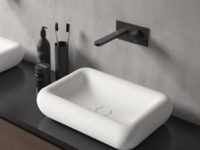
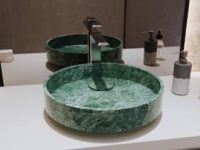
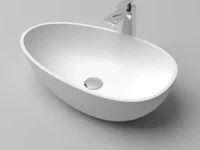

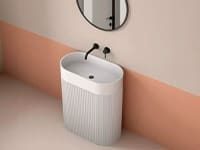

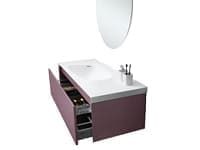


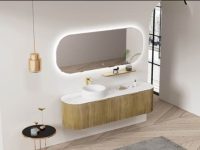



















When it comes to designing a luxurious and functional bathroom, material choice plays a crucial role. Homeowners and designers often find themselves weighing natural marble vs sintered stone to determine which truly delivers on aesthetics, durability, and long-term value. Both materials bring elegance and sophistication, yet they differ significantly in performance and maintenance.
This guide conducts a side-by-side comparison of sintered stone and marble, helping you make a confident and informed decision for your space. Let’s get into it!
Understanding the Basics of Sintered Stone and Natural Marble
Before diving into comparisons, it helps to understand what each material is and how it is formed.
What is Natural Marble?
Natural marble is a metamorphic rock formed under intense heat and pressure over thousands of years. Its distinctive veining and colour variations make every slab one of a kind. It has long been associated with luxury interiors, heritage architecture, and timeless design.
What is Sintered Stone?
Sintered stone is an engineered surface formed by compacting natural minerals under intense heat and pressure. This advanced manufacturing process replicates natural stone formation but within a controlled environment. The result is a highly durable and non-porous material designed for modern living.
The Key Difference Between Sintered Stone and Marble
Understanding the difference between sintered stone and marble is essential when choosing bathroom materials.
Natural marble is prized for its organic beauty and uniqueness. However, it is porous and needs regular sealing to preserve its appearance. Sintered stone, on the other hand, offers a more uniform look with enhanced resistance to stains, scratches, and moisture.
In simple terms, marble appeals to those who value authenticity and natural variation, while sintered stone suits those seeking durability with minimal upkeep.
A Detailed Comparison of Bathroom Fixture Materials
A proper bathroom material comparison goes beyond surface appearance. It considers performance, maintenance, and practicality in everyday use.
1. Durability and Strength
Sintered stone is extremely hard and resistant to wear. It handles scratches, impacts, and heat with ease. Marble is softer, which makes it more prone to scratches and chips over time.
2. Water and Stain Resistance
Bathrooms are high-moisture environments. Sintered stone is non-porous, so it resists water absorption and staining. Marble absorbs liquids more easily, which can lead to stains if not sealed properly.
3. Maintenance Requirements
Sintered stone requires minimal maintenance. A simple wipe-down keeps it looking pristine. Marble needs regular sealing and careful cleaning with pH-neutral products to prevent damage.
4. Aesthetic Appeal
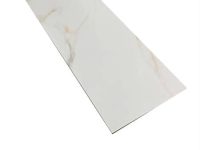
Marble stands out for its natural veining and depth. It offers a luxurious, organic feel that is difficult to replicate fully. Sintered stone provides consistency and can mimic marble while offering modern finishes.
5. Longevity
Both materials can last for decades when properly cared for. However, sintered stone tends to maintain its original condition longer due to its resistance to wear and tear.
6. Cost Considerations
Marble is often more expensive due to its natural origin and extraction process. Sintered stone can offer a more cost-effective alternative with similar visual appeal.
Marble Bathroom Vs Sintered Stone: Which Performs Better?

When evaluating a sintered stone vs marble bathroom interior, performance becomes a key deciding factor. Marble creates a classic and luxurious atmosphere. It is often chosen for statement pieces and high-end interiors. However, it demands attention and care to maintain its beauty.
Sintered stone suits modern bathrooms where practicality matters. It withstands daily use without requiring constant upkeep. This makes it ideal for busy households or commercial spaces. If you prioritise ease of use and resilience, sintered stone has a clear advantage. If your focus is on timeless elegance, marble remains a strong contender.
Benefits and Disadvantages of Each Material
Pros and Cons of Sintered Stone
Sintered stone offers excellent resistance to scratches and heat, making it a highly durable choice for everyday use. Its non-porous nature ensures a hygienic surface that does not absorb moisture or stains, allowing for easy cleaning and low maintenance. Additionally, it provides consistent colour and pattern throughout, making it ideal for modern designs and high-traffic areas.
Despite its durability, sintered stone has some drawbacks. It lacks the natural variation found in marble, which can make it appear more engineered. Furthermore, if the surface becomes damaged, repair options are limited, often requiring replacement rather than simple fixes.
Advantages and Drawbacks of Natural Marble
Natural marble is admired for its unique patterns and organic beauty, making every piece one of a kind. It enhances the overall value of interiors while offering a timeless and elegant appearance. A broad selection of colours and finishes allows marble to deliver versatile design options that enhance both classic and modern interiors.
Despite its appeal, marble requires regular sealing to maintain its quality and appearance. It is more susceptible to staining and etching, especially when exposed to moisture or acidic elements. Additionally, marble requires more maintenance and is more delicate than engineered surfaces, requiring careful handling over time.
Other Aspects to Consider When Choosing
Design Flexibility and Style
Both materials offer design versatility, yet they cater to different styles. Sintered stone works well in minimalist and contemporary interiors. Its clean lines and uniformity create a sleek, modern look. Marble complements classic and luxurious designs.
Its natural veining introduces depth and character, making it ideal for feature pieces. Choosing between the two depends on the overall design vision and how much maintenance you are willing to handle.
Sustainability and Environmental Impact
Sustainability is playing a growing role in material selection. Natural marble involves quarrying, which can have environmental implications. However, it is a natural and long-lasting material.
Sintered stone uses natural minerals and advanced technology. It often incorporates sustainable manufacturing practices, though it is still an engineered product. Both options are durable and long-lasting, which reduces replacement needs over time.
Installation and Practicality
Installation significantly impacts how well these materials perform. Marble requires skilled handling due to its weight and fragility. Improper installation can lead to cracks or uneven surfaces. Sintered stone is also heavy but generally easier to handle due to its strength. It can be cut into thinner slabs, making it more adaptable for various applications.
Choosing the Right Material for Your Bathroom
Making the right choice depends on your priorities. If you prefer durability, hygiene, and ease of maintenance, sintered stone offers a practical solution without compromising on style.
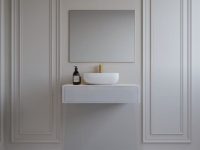
If you value authenticity, natural beauty, and a luxurious feel, marble is a compelling option for a refined, elegant finish. RNK offers all types of bathroom fixtures made with stylish yet durable materials. Explore our collection of marble and other natural stone basins today to elevate your bathroom with timeless design.
Your bathroom is more than a functional space. It reflects your lifestyle and design preferences. Choosing the right material ensures that it remains beautiful and practical for years to come. For those seeking refined craftsmanship and premium finishes, exploring high-quality handcrafted designs from RNK can add a distinctive touch to your interiors.
Conclusion
In the debate of natural marble vs sintered stone, there is no single answer that fits everyone. Each material offers unique benefits and challenges.
Marble is admired for its timeless beauty and natural elegance. Sintered stone excels in durability, low maintenance, and modern performance. It depends on your priorities, lifestyle, and style preferences. By understanding the difference between sintered stone and marble, you can confidently select a material that enhances both the beauty and functionality of your bathroom.
If you are looking for affordable marble basins in the UK, RNK offers a variety of options to bring your vision to life with exceptional quality and design!
