









That sudden spray across the countertop every time you turn on the tap is not just annoying. It is usually a sign that something in your setup needs a small adjustment rather than a full replacement. Most splashing problems come down to a handful of fixable causes, ranging from pressure that is slightly too strong to an aerator that has quietly worn out over time.
Understanding what happens at the spout the moment water leaves it makes the whole issue far less confusing. This article walks through the real reasons taps splash, how to calm the flow properly, and which small changes stop the problem from coming back.
Why Your Tap Is Splashing in the First Place
Before reaching for tools, it helps to understand what causes water to bounce out of a basin rather than flow neatly down the drain. Three factors are usually responsible, and identifying the right one saves a lot of unnecessary fiddling.
Water Pressure Is Higher Than the Basin Can Handle
A powerful stream hitting a small, shallow basin has nowhere to go but out. This is one of the most common reasons homeowners need to fix high water pressure in a bathroom basin, particularly in homes with combi boilers or mains-fed systems that push water out faster than older basins were designed to handle.
The Aerator Has Worn Out or Clogged
Many modern taps use a small aerator at the end of the spout. It helps control the amount of water released and can reduce splashing by introducing air into the water stream. If an aerator is dirty, damaged, or no longer working as intended, cleaning or replacing it according to the manufacturer’s instructions may help restore the intended flow. Tap aerators are a simple way you can reduce water use and splashing.
The Tap Sits Too High or at the Wrong Angle
Spout height matters more than most people realise. A tap positioned too far above the basin gives water extra distance to gather force before impact, which increases splashing regardless of pressure or aerator condition.
Quick Fixes for Sink Tap Splashes
If your sink tap splashes and you want a fix right now, start with the simplest solutions before assuming anything is broken.
- Unscrew the aerator and check for limescale or debris
- Leave the aerator soaking in a vinegar solution for thirty minutes if blocked
- Check whether the tap is fully open, since some fittings splash more at maximum flow
- Confirm the basin plug sits properly, as pooling water can worsen splash
- Inspect the spout angle to see if it points too far forward
Most splashing issues resolve after cleaning or adjusting the aerator alone, so this is always the sensible starting point before anything more involved.
How to Adjust Basin Tap Flow Rate Properly
Sometimes cleaning is not enough, and you need to physically reduce how much water leaves the tap.
1. Locate the Isolation Valve
Most modern bathroom taps connect to isolation valves under the basin. Turning these slightly clockwise reduces incoming pressure without affecting the rest of the home’s plumbing system. If pressure still feels unusually strong after adjusting the valve, check if the issue affects just this tap or other outlets around the property, since a wider pressure problem is worth raising with your water supplier.
2. Fit a Flow Restrictor
A flow restrictor sits inside the tap connection and limits how much water passes through per minute. These are inexpensive, widely available, and simple to fit without calling a plumber.
3. Test in Small Increments
Adjust the valve gradually and test after each turn. Reducing flow too aggressively can leave weak pressure behind, so small, measured changes work best throughout this process.
Comparing Common Splash Causes and Solutions
The table below summarises the most common causes of basin splashing, the signs that help identify each one, and the recommended fix.
Cause of Splashing |
Signs to Look For |
Recommended Fix |
Difficulty Level |
| High water pressure | Strong, forceful jet | Adjust isolation valve or fit a flow restrictor | Easy |
| Blocked aerator | Uneven or hard stream | Clean or replace the aerator | Very Easy |
| Wrong spout height | Splash even at low flow | Replace with a lower profile tap | Moderate |
| Shallow basin | Splash concentrated at centre | Pair with a deeper or wider basin | Moderate |
| Worn tap cartridge | Inconsistent flow pattern | Replace the internal cartridge | Moderate |
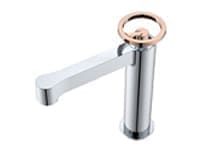
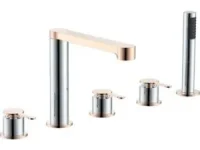
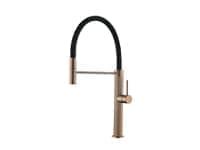
A tap that’s properly matched to your basin solves half of this list before it even starts splashing. Check out RNK’s collection of bathroom taps in the UK and pick a spout height and flow profile built to work with your basin instead of against it.
Effective Long-Term Splash Control
Fixing the immediate issue is useful, but proper water splash prevention means choosing the right tap and basin pairing from the start, rather than repeatedly adjusting flow after installation.
● Match Tap Style to Basin Shape
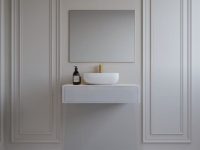
Wide, shallow basins need low-flow, wide-spray taps. Deep basins can handle a slightly stronger stream without water escaping over the edge.
● Consider Wall-Mounted Options
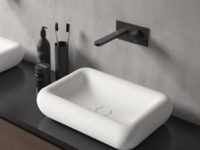
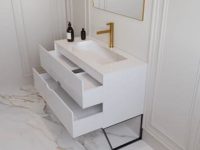
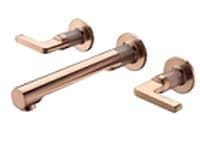
Wall-mounted taps often direct water more precisely into the centre of a basin, reducing splash caused by awkward spout angles that sit too close to the basin edge.
Frequently Asked Questions
Why does my bathroom tap splash even at low pressure?
This usually points to a worn aerator or a basin that is too shallow for the tap’s spout height, rather than pressure alone.
Can I fix tap splashing without replacing the whole tap?
Yes, cleaning the aerator, adjusting the isolation valve, or fitting a flow restrictor solves most splashing problems without needing a full replacement.
Is high water pressure bad for my plumbing overall?
Sustained high pressure can wear down washers and cartridges faster than normal use, so managing it benefits the whole tap system, not just splash control.
How often should I clean my tap aerator?
Every three to six months in hard water areas prevents limescale buildup from affecting flow and increasing splash.
Does basin shape really affect splashing that much?
Yes, shallow or narrow basins concentrate water impact in a small area, making splash far more likely regardless of tap quality.
Final Thoughts
A splashing tap is rarely a sign of a serious plumbing fault. In most cases, a quick clean, a small valve adjustment, or a better-matched basin solves the problem completely. Understanding pressure, aerator condition, and spout height gives you everything needed to diagnose the issue correctly the first time.
If your current setup keeps fighting you no matter how many aerators you clean, the fix might not be another adjustment. It might be the fittings themselves. RNK is the best online store for luxury bathroom products in the UK. Check out our collection and pair your next tap with a basin built to work with it from day one!
