













Limescale is one of the most common problems found in UK bathrooms, particularly in areas with hard water. Over time, white, chalky deposits begin to collect around taps, making them look dull and affecting their performance. If ignored, limescale can block water flow, damage the tap’s finish, and shorten its lifespan.
Keeping bathroom taps free from mineral deposits does not have to involve costly treatments or heavy scrubbing. Regular care and a few simple cleaning habits can go a long way towards preventing stubborn limescale from forming.
This guide explains practical ways to prevent limescale build-up on bathroom taps, helping homeowners keep their bathrooms cleaner while protecting their fittings for years to come.
Why Does Limescale Build Up on Bathroom Taps?
Limescale forms when hard water evaporates, leaving calcium and magnesium minerals behind. Every splash around the tap creates another opportunity for these minerals to settle. As layers continue to develop, the deposits become harder to remove and may affect both appearance and performance.
The hardness of water varies across the UK, with southern and eastern regions generally experiencing higher mineral content than many northern areas. Homes supplied with hard water often require more regular cleaning to keep bathroom fixtures looking their best.
Simple Ways to Prevent Limescale Build-Up
Below are simple ways to prevent limescale build-up, maintain water flow, keep your bathroom taps clean, and extend its overall lifespan.
· Dry Bathroom Taps After Every Use
One of the easiest habits is wiping taps with a soft microfibre cloth after use. Drying the surface removes water before minerals have time to settle.
Although this only takes a few seconds, it greatly reduces water spots and slows down limescale formation. Regular drying also helps maintain polished chrome, brushed brass, stainless steel, and matte finishes.
· Clean Taps Every Week
Routine cleaning prevents small mineral deposits from turning into stubborn layers. A soft cloth with warm water and a mild soap solution is usually enough for weekly maintenance. Gentle cleaning keeps taps looking fresh without damaging protective finishes.
Avoid abrasive pads or harsh scouring products, as these may scratch the surface and create areas where minerals collect more easily.
· Use White Vinegar for Light Deposits
White vinegar naturally dissolves calcium deposits and works well on light limescale. Soak a cloth in diluted vinegar, wrap it around the affected area for around 20 minutes, then wipe clean with warm water. Dry the tap thoroughly afterwards to avoid fresh mineral deposits.
This simple method is suitable for many tap finishes, although manufacturers’ care instructions should always be checked before use.
-
Install a Water Softener
Homes located in hard water areas may benefit from installing a water softener. These systems reduce calcium and magnesium before the water reaches bathroom fixtures, helping to reduce mineral deposits throughout the home. Along with taps, water softeners can also protect showers, kettles, washing machines, and pipework.
Although installation involves an initial investment, it often reduces long-term maintenance costs.
-
Clean Aerators Regularly
Tap aerators are particularly vulnerable to mineral build-up because water constantly flows through their small openings.
Unscrewing the aerator every few months and soaking it in vinegar helps dissolve deposits and restore smooth water flow. After rinsing thoroughly, simply refit the aerator to keep the tap working efficiently.
· Choose the Right Cleaning Products
Some commercial products are specially designed to dissolve stubborn mineral deposits without damaging tap finishes. Selecting the best limescale remover for taps can make deep cleaning easier while protecting chrome, stainless steel, or coloured coatings. Always follow the manufacturer’s instructions and test products on a small hidden area before full application.
· Remove Deposits Before They Become Severe
Small patches of limescale are far easier to deal with than thick, hardened layers. Regular maintenance helps remove limescale from bathroom taps before the deposits become deeply attached. Acting early also reduces the amount of scrubbing required and helps preserve the original finish.
· Reduce Water Splash Around the Tap
Standing water encourages mineral deposits. Checking that taps are not dripping, avoiding excessive splashing, and drying surrounding surfaces all help reduce moisture that eventually leaves mineral residue behind.
Simple habits like these can noticeably reduce cleaning requirements over time.
Bathroom Tap Maintenance at a Glance
| Maintenance Task | Recommended Frequency | Main Benefit |
| Wipe taps dry | After every use | Prevents water spots and mineral deposits |
| Clean with mild soap | Weekly | Removes fresh residue before build-up forms |
| Soak light deposits with vinegar | Monthly or when needed | Dissolves early limescale |
| Clean aerators | Every 2 to 3 months | Maintains water flow |
| Check for dripping taps | Monthly | Reduces standing water |
| Deep clean using a specialist cleaner | Every few months | Removes stubborn mineral deposits |
Common Cleaning Mistakes to Avoid
Continue reading to learn about common cleaning mistakes to avoid and simple ways to keep your taps clean, efficient, and well maintained.
-
Using Abrasive Cleaning Pads
Steel wool and rough scouring pads can scratch tap finishes. These tiny scratches make it easier for minerals to cling to the surface, increasing future build-up.
-
Leaving Cleaning Products on Too Long
Even safe cleaning products should not remain on the tap longer than recommended. Following product instructions helps protect decorative finishes and prevents unnecessary damage.
-
Ignoring Hard Water Stains
Many people delay cleaning until deposits become thick and difficult to remove. Regular attention helps clean hard water stains on taps before they harden into stubborn limescale that requires stronger cleaning methods.
Choosing Quality Bathroom Fixtures
Higher-quality taps often feature protective finishes that resist staining and make routine cleaning easier. While no tap is completely immune to hard water, well-manufactured products can maintain their appearance and performance for longer with proper care. This makes choosing a reliable fixture an important part of keeping your bathroom looking clean and well maintained.
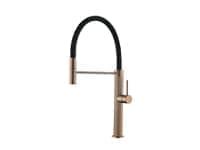
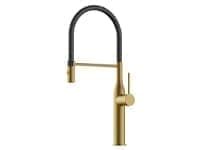
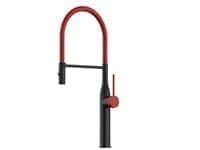
For quality options that combine practical performance with a stylish finish, browse RNK’s collection of kitchen taps to create a coordinated look throughout your home.
FAQs
- What causes limescale on bathroom taps?
Limescale forms when hard water evaporates and leaves calcium and magnesium deposits on the surface of the tap.
- How often should bathroom taps be cleaned?
A light clean once a week and drying after daily use usually helps prevent noticeable limescale build-up.
- Is white vinegar safe for cleaning bathroom taps?
White vinegar is effective for many tap finishes when diluted and used correctly, but the manufacturer’s care instructions should always be checked first.
Bottom Line
Preventing limescale is much easier than removing thick mineral deposits after they have built up. Drying taps daily, cleaning them regularly, maintaining aerators, and using suitable cleaning products all help protect bathroom fixtures from hard water damage. Small maintenance routines carried out consistently can keep taps looking clean, improve water flow, and extend their lifespan, even in areas with particularly hard water across the UK.
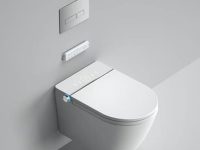
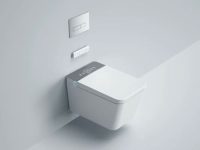
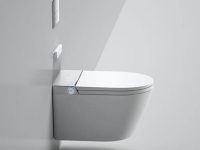
If you’re searching for high-quality luxury toilets in the UK, check RNK’s stylish collection, designed to combine lasting performance, modern design, and exceptional value for every home.
