



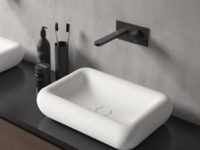

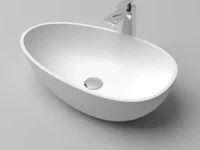
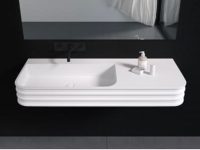
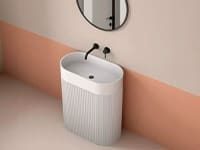

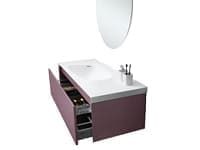


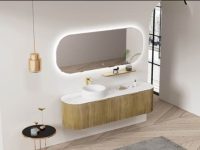
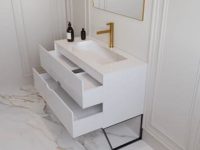
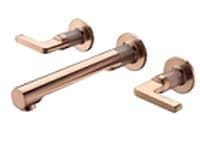
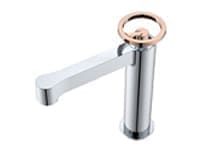
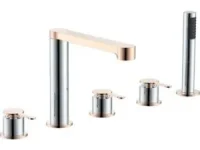
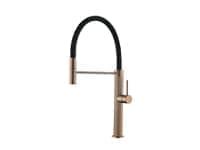








A tap that looks stunning in a showroom can still be the wrong choice for your basin. Spout height, reach, and tap hole configuration all have to line up with the basin underneath, or you end up with water splashing over the edge, an awkward angle for washing your hands, or a tap that physically won’t fit the holes drilled into the basin.
Getting the right combination of taps and basins depends less on personal taste and more on a few key measurements. Once those measurements are confirmed, you can choose the finish and style that best suits your bathroom.
Why Pairing Bathroom Taps With Basins Matters
Basin dimensions and tap-hole positions affect which tap height and reach will work best. A deep countertop basin may need an extended-height or wall-mounted tap, while a shallower basin may work better with a lower tap.
The right combination depends on the basin’s dimensions, tap position and the tap manufacturer’s specifications. Get the pairing wrong, and no amount of cleaning or adjusting afterwards fully solves it, since the mismatch is built into the geometry rather than the fitting itself.
Common Basin Types and Their Tap Requirements
Basins vary far more in height and depth than most people assume when they’re comparing taps online. Knowing which category yours falls into narrows down the right tap almost immediately.
1. Countertop and Vessel Basins
Because countertop and vessel basins sit on or above the worktop, their overall height can be greater than that of an inset basin. This means the tap may need additional height or a suitable projection to clear the basin and deliver water into the bowl.
2. Semi-Recessed and Inset Basins
Set partially or fully into a worktop, these basins are closer to what most people picture as a standard bathroom basin. Many semi-recessed and inset basins can be paired with standard-height deck-mounted mixers, provided the tap height and projection suit the basin’s dimensions.
3. Wall-Hung Basins
Fixed directly to the wall with no cabinet beneath, wall-hung basins vary considerably in depth. Checking the basin’s actual depth matters more here than assuming a standard tap will simply fit.
4. Pedestal Basins
Supported by a floor-standing pedestal, these basins often have pre-positioned tap holes. The tap type and dimensions need to correspond with the basin’s hole configuration and layout, which narrows down suitable tap choices considerably.
Choosing the Right Tap With the Basin Shape and Size
Getting this pairing right comes down to three measurements, checked in this order.
1. Match Spout Height to Basin Depth
A tap positioned too high above a shallow basin increases splash risk, while one positioned too low can clip the rim of a deep vessel basin. Wall-mounted basin taps are often positioned around 150–200 mm above the basin rim, but there is no universal installation height. The ideal position depends on the basin’s depth, the tap’s spout projection and the manufacturer’s installation guidance, so always check the dimensions before fixing the tap in place.
2. Match Spout Reach to Basin Width
The tap’s spout should direct water into a practical position within the basin rather than towards the front edge or back wall. Check the basin’s front-to-back depth, waste position, and the tap’s spout projection before choosing a model. A longer projection may suit a deeper basin, while a shorter spout can work better for a shallow basin.
3. Check the Tap Hole Configuration
Basins are typically manufactured with no holes, one hole, or two holes. A single-hole monobloc mixer won’t fit a basin drilled for two-hole pillar taps, and a basin with no tap holes needs a wall-mounted tap by default.
Matching Taps to Common Basin Types
Different basin styles call for different tap designs, heights, and mounting options. Choosing a tap that suits the basin helps create a balanced look while ensuring comfortable use every day.
Basin Type |
Recommended Tap Style |
Why It Works |
| Countertop or vessel basin | Tall or extended-height mixer, or wall-mounted tap | Clears the raised rim without an awkward angle |
| Semi-recessed or inset basin | Standard-height deck-mounted mixer | Matches the basin’s built-in tap height |
| Wall-hung basin | Standard or medium-height mixer, checked against depth | Prevents splash from a mismatched spout height |
| Pedestal basin | Monobloc mixer or traditional pillar taps | Aligns with the pedestal’s pre-set tap hole positions |
Numbers on a spec sheet only tell half the story until you can picture a basin and tap sitting side by side. RNK offers a luxury bathroom basin collection alongside their matching taps. Go through our entire catalogue to see which pairings actually work with the rest of your interior before you commit to either one!
Checking Tap Compatibility With Basin Shape and Size
Compatibility here isn’t only about looks. A few tap formats solve specific basin problems better than others.
● Single Lever Mixers
The most common style for inset and semi-recessed basins, offering simple temperature control through a single handle and a moderate, predictable reach.
● Wall-Mounted Taps
The default choice for basins with no tap holes, and often the neatest option for countertop basins, since they keep the counter surface completely clear.
● Tall or Waterfall Taps for Vessel Basins
Designed specifically to clear a raised rim, these taps add height without needing a wall-mounted installation, which suits bathrooms where the plumbing already runs through the counter or floor.
Common Mistakes When Pairing Taps and Basins
Most problems with tap compatibility with basin shape and size trace back to one of these avoidable errors:
-
- Choosing a tap based on finish alone, without checking spout height
- Assuming all basins use the same tap hole configuration
- Fitting a deck-mounted tap to a basin with no drilled holes
- Ignoring basin depth when selecting a wall-mounted tap’s mounting height
- Ordering the tap and basin from different ranges without checking compatible dimensions
Frequently Asked Questions
1. How do I know if a tap fits my basin?
Check the tap hole configuration on your basin first, then compare the tap’s spout height and reach against the basin’s depth and width before buying.
2. Can I use a tall tap with a shallow basin?
It’s possible, but a tall tap on a shallow basin often increases splash, since the water gains more force falling further before it lands.
3. What tap works best with a countertop basin?
Tall or extended-height mixers and wall-mounted taps both work well, since they’re designed to clear a countertop basin’s raised rim.
4. Do all basins have the same number of tap holes?
No, Basins commonly come with no holes, one hole, or two holes, and the tap you choose must match that exact configuration.
5. Is a wall-mounted tap harder to install than a deck-mounted one?
Generally yes, since wall-mounted taps need pipework routed through the wall rather than up through the counter, which usually means more involved plumbing work.
Final Thoughts
Finding a suitable tap according to basin shape and size comes down to measuring before you buy rather than choosing on looks alone. Check the basin’s depth, width, and tap hole count, match those against the tap’s spout height and reach, and the rest of the decision becomes far simpler.
Once those numbers are down on paper, the rest is simply picking a finish you love. Buy basin taps from RNK to get the fixture that actually suits your bathroom!
