
































Creating a personalised and visually appealing home interior starts with the right materials, and tiles are at the heart of that transformation. Whether you’re updating your kitchen splashback or designing a luxury bathroom, matching tiles thoughtfully can completely elevate the atmosphere of your space.
Mixing tile styles is more than just a design trend; it’s an art. It involves playing with textures, patterns, finishes, and tones to reflect your taste while maintaining balance and cohesion.
If done right, tile combinations can transform even the simplest spaces into showstopping interiors.
Understanding the Art of Matching Tiles
Matching tiles is all about choosing pieces that harmonise in terms of colour, texture, and size. This doesn’t mean everything needs to look identical—in fact, the goal is often to strike a balance between consistency and contrast.
For example, pairing smooth porcelain tiles with textured natural stone can create a sophisticated yet dynamic visual effect.
This approach is especially useful in kitchens and bathrooms, where tiles contribute significantly to aesthetics and functionality. Combining different elements while keeping an eye on overall harmony allows you to achieve a cohesive design that looks both curated and lived-in.
Tile Design Ideas for Homes
When exploring tile design ideas for homes, it’s helpful to move beyond basic combinations and think creatively.
Don’t be afraid to incorporate a variety of shapes and finishes. A classic example is mixing glossy white metro tiles with matte-finish hexagons for a kitchen backsplash. Or pair large marble-effect tiles on the floor with slim, textured wall tiles in the bathroom for added dimension.
Using tiles in less conventional spaces, such as hallways, feature walls, or even stair risers, can also create unexpected focal points. The possibilities are only limited by your imagination and the needs of the space.
Mixing Tile Styles with Interior Design
Successfully mixing tile styles with interior design requires a strategic approach. Start by selecting one tile as the anchor, usually the one that will cover the most surface area. This tile sets the tone for the room. Then introduce a secondary tile that complements the main one by matching its undertone or echoing its texture.
For instance, a travertine floor tile can be matched with a ceramic wall tile that features a subtle pattern or colour variation picked from the travertine’s natural markings. This ensures the tiles work in harmony rather than clashing.
Inspiring Creative Tile Combinations
When it comes to creative tile combinations, think of tiles as layers that add depth and narrative to your home. Use mosaic tiles to highlight a bathroom niche, or blend small decorative tiles with large-format tiles for an eye-catching floor design. You can also mix geometric tiles with organic or floral patterns for contrast.
The trick lies in limiting your palette. Stick to a cohesive colour scheme and repeat one or two elements, such as a material or finish, throughout the space. This way, even bold combinations remain visually grounded.
Matching Floor and Wall Tiles for Visual Harmony
One design technique that never fails to impress is matching floor and wall tiles. This strategy can make a room feel larger and more unified. Using the same tile across both surfaces adds fluidity and flow, particularly in smaller bathrooms or compact kitchens.
For example, pairing a light beige floor tile with a slightly darker taupe wall tile creates a layered yet harmonious look that adds depth without overwhelming the space. It’s a simple trick that delivers a big impact.
Decorative Tiles for Home Charm
Incorporating decorative tiles into your home interiors is a brilliant way to add character and charm. From Moroccan-inspired motifs to vibrant patterned designs, these eye-catching accents can breathe life into otherwise neutral spaces. Consider using them on fireplace surrounds, kitchen splashbacks, or even along hallway floors to create striking focal points.
When using decorative tiles, remember that less is often more. Allow these pieces to be the focal point and balance them with more muted elements elsewhere to avoid visual clutter.
Creating Flow Between Rooms with Tiles
Using tiles to establish continuity between rooms can significantly enhance your home’s flow. Selecting tiles with similar tones, patterns, or finishes creates a seamless transition from one space to another. This is especially useful in open-plan living areas.
For example, you might use wood-look porcelain tiles throughout a kitchen and dining area but vary the layout (e.g., herringbone vs. straight-set) to define each zone while subtly maintaining overall cohesion.
Choosing the Best Tiles for Bathroom Walls
When selecting the best tiles for bathroom walls, functionality and style should go hand in hand. Porcelain and ceramic tiles are popular choices due to their water resistance and ease of maintenance. Natural stone tiles like slate or marble add luxury and texture.
For a serene, spa-like feel, consider soft hues like muted blues or greys, paired with matte finishes. Statement walls with patterned or textured tiles can add depth without compromising practicality.
Redefining Interiors with Luxury Bathroom Tiles
Installing luxury bathroom tiles instantly upgrades the look and feel of your space. Think marble, onyx, or premium porcelain that mimics natural materials. These options not only exude elegance, but are also durable and timeless.
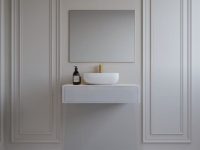
Combining high-end materials with clever lighting and sleek fittings can transform a standard bathroom into a calming retreat that feels indulgent and functional.
Final Thoughts
Mastering the art of mixing and matching tiles gives you the freedom to create a space that’s entirely your own. Whether for understated elegance or bold creativity, thoughtful tile combinations can add function and flair to your interiors. At RNK, we’re here to help you explore innovative designs and find the perfect tiles to reflect your style.
