








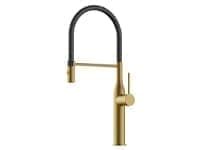



Maintaining a clean and well-functioning kitchen tap is essential for both practicality and aesthetic appeal. A well-maintained tap not only enhances the overall look of your kitchen but also ensures smooth operation and prevents costly repairs.
In this comprehensive guide, we’ll explore all the best kitchen tap cleaning tips to make sure you keep your luxury kitchen fixture in top-notch condition!
Best Way To Clean Your Kitchen Taps

1. Check Your Taps Regularly
Regular inspections of your kitchen taps are vital for identifying and addressing issues early. Here’s what to look for:
- Check to see if there are any visible signs of wear, such as scratches or dents.
- Look for white, chalky deposits, especially around the base of the tap and the aerator.
- Inspect for any rust or discolouration, which could indicate corrosion.
- Additionally, inspect the base, spout, and connections for any leaks.
In case you notice any issues, the best course of action is to address them promptly. We recommend getting in touch with a professional plumber for repairs that can prevent further damage and ensure efficient functioning.
2. Basic Exterior Cleaning Routine
When learning how to clean kitchen taps, keep in mind that incorporating a simple cleaning routine into your kitchen maintenance schedule can keep your tap looking shiny and new. The following routine is simple yet effective in maintaining the tap’s appearance and functionality:
- Take a sponge or soft cloth and dampen it with mild dish soap.
- Use it to wipe down the tap’s exterior daily. This prevents the build-up of grime, water spots, and fingerprints.
- After cleaning, rinse the tap thoroughly with water to remove any soap residue.
- Pat it dry with a clean microfibre towel or cloth to prevent water stains and maintain the tap’s shine.
3. Internal Maintenance
Regular internal maintenance ensures your tap functions effectively and efficiently. This is why cleaning the interior parts of your tap is equally important.
- Unscrew the tap’s aerator and rinse it thoroughly with water to remove any build-up residue.
- For a deeper clean, soak the filter in a vinegar-hot water solution for a few minutes. Then, scrub it with a soft cleaning brush and rinse thoroughly.
- Once clean, reassemble the aerator and ensure it is securely attached.
4. Remove Limescale Residues
Limescale build-up is common, especially in areas with hard water. Here is an effective way to tackle limescale residue:
- Check the flexible silicone nozzles on the aerator for limescale deposits.
- Simply rub over the silicone nozzles with your finger to remove limescale.
- This will restore the even flow of water droplets from the aerator, ensuring smooth water flow and maintaining the tap’s performance.
5. Dealing with Hard Water Deposits
Hard water deposits can affect both the performance and appearance of your kitchen tap. The following method effectively removes hard water deposits without damaging the tap’s surface:
- Mix equal parts water and white vinegar.
- Dip a cloth in the solution and wrap it around the tap, focusing on areas with deposits.
- Allow it to sit for half an hour to break down the deposits.
- Use a soft brush or an old toothbrush to gently scrub the affected areas.
- Rinse the tap thoroughly and wipe dry.
6. Avoid Abrasive Cleaners
Avoid using any harsh cleaners, as these will scratch the tap’s finish and damage the surface. Instead, go for a non-abrasive cleaner. The following natural solutions are effective in removing stains without harming the tap:
● Baking Soda
Create a paste with water and apply it to the stains. Scrub gently with a soft cleaning brush and rinse.
● Lemon Juice
Apply lemon juice to the stains. You need to let it sit for a few minutes, then scrub and rinse.
7. Maintaining the Aerator
The aerator, located at the tip of the tap, controls water flow and prevents splashing. Regular aerator maintenance ensures a steady and efficient water flow. Here’s how to maintain it:
- Gently unscrew the aerator from the tap using pliers if necessary.
- Soak it in a water-vinegar solution to break down mineral deposits.
- Scrub with a brush and rinse thoroughly.
- Once clean, reattach the aerator securely.
8. Seal and Lubricate
Regular sealing and lubrication prolong the life of your tap and ensure it operates smoothly. Check if there are any signs of leaks or dampness around the base of the tap. If you notice water pooling around the base, this may indicate a loose connection. Here’s what to do:
- Tighten the nuts using a wrench to prevent further leakage.
- Apply a thin layer of tap lubricant to the handle and other moving parts.
- This ensures smooth operation and guards against wear and tear.
9. Replace the Old Tap

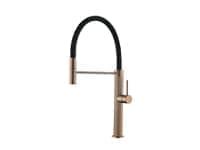
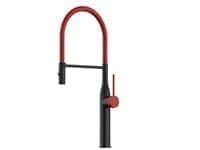
If your kitchen tap is beyond repair or you’re looking to upgrade, consider replacing it with a new fixture from RNK. Modern taps come with advanced features, improved aesthetics, and better functionality. When choosing a new tap, consider the following factors:
● Style
Choose a tap that matches your kitchen’s decor, whether it’s contemporary, traditional, or minimalist.
● Material
Opt for materials that are durable, like stainless steel or brass. These will be more resistant to corrosion and wear.
● Finish
Select a finish that complements your kitchen, such as chrome, brushed nickel, or matte black.
To Wrap Up
When you follow these kitchen tap cleaning tips, you can keep your modern kitchen tap clean, functional, and visually appealing for years to come. Remember to address any issues promptly and contact a professional plumber for intricate repairs to prevent further damage.
To get high-quality modern kitchen taps, browse through the extensive collection of RNK London. Happy renovating!
