

























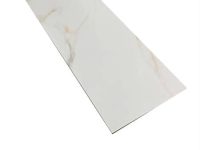







Marble has a quiet confidence, and a single splash of the wrong cleaner can dull it. Those glossy tiles glow under the bathroom light, yet they are far more delicate than they look. Thankfully, cleaning marble tiles without damaging them takes no special talent, just a few smart habits and the right bottle on hand.
This guide explains which products help, which ones harm, and how to handle spills, stains and dull patches calmly. Follow each step, and your tiles will keep their glow for years. Your floors will look better, your guests will notice, and your cleaning routine will become simple. Let us start with the basics.
Why Marble Needs Gentle Care
Marble forms naturally through geological processes and contains high levels of calcium carbonate. It is porous, so liquids soak in, and it reacts with acids on contact. That reaction leaves dull, pale patches called etch marks, which spoil the polished surface and are hard to hide once they form.
Several common household favourites can harm it. Vinegar and lemon etch marble, while harsh cleaners may damage its surface. Gentle products protect the stone, so a pH-neutral cleaner, warm water and a soft cloth form the safest starting kit for every bathroom floor.
A stone made by nature deserves care that is just as natural. RNK offers marble tiles in the UK with a refined finish built to last. Choose us today and give your home an elegance that never goes out of fashion!
Cleaning Marble Tiles Safely: Your Everyday Routine
A simple routine takes only a few minutes and protects the shine for years. Cleaning marble tiles safely is less about effort and more about the right sequence.
Sweep Away Dust and Grit
Dust and grit act like fine sandpaper underfoot. Sweep daily with a soft brush or dry microfibre mop. Use a soft vacuum attachment, because hard wheels can scratch the surface, and shake out doormats so less dirt reaches the tiles.
Mix a Gentle Cleaning Solution
Add a few drops of pH-neutral washing-up liquid to a bucket of warm water, or use a cleaner made for natural stone. Check the label, because a neutral pH protects the polish. Avoid vinegar, lemon, bleach and ammonia, which can dull or damage marble.
Wipe, Rinse and Dry
Wipe small sections with a damp, not wet, soft cloth or microfibre mop. Rinse with clean water to remove any soap film, then dry straight away with a soft towel. Drying prevents water spots and keeps moisture away from grout and edges.
Extra Care in Showers and Bathrooms
Bathroom tiles meet soap, steam and shampoo daily. To reduce soap scum, use a squeegee after showers and keep airflow good. Proper ventilation helps surfaces dry faster, keeps tiles brighter and reduces conditions that encourage mould growth.
Cleaning Marble Tiles Without Damaging Them: Spills, Stains and Etching
Accidents happen, and the first few minutes decide how much damage they cause. The key to cleaning marble tiles without damaging them is speed.
Blot Spills Fast
Blot spills at once with a soft cloth, because wiping can spread liquid across the tile. Wine, juice, coffee and cosmetics can leave marks quickly, and acidic spills can etch the surface within moments. Flush the area with fresh water, then wipe it completely dry.
Lift Stains Gently
Clean the area first, then use a stone-safe stain remover and follow the label. Never scrub hard, because force scratches the polish. Light etch marks may respond to marble polishing powder, but deep etching or set-in stains need a professional stone restorer.
Seal for Extra Protection
A good sealer slows liquids from soaking into the stone and makes cleaning easier. Sealers do not prevent acid etching, however, so sealed tiles still need quick spill removal. Reseal when the manufacturer recommends, and test the product in an inconspicuous area first.
Life will always leave a mark or two, and a well-loved bathroom wears them with grace. At RNK, you can buy luxury bathroom products in the UK that are worth that daily care. Reach out today and give your routine something beautiful to protect!
Marble Tile Cleaning Methods and Best Practices
Knowing the right marble tile cleaning methods for each situation protects your tiles and extends their life. Choose the approach that matches the problem.
Daily Dry Clean
A soft brush or dry microfibre mop removes grit before it can scratch. This is the easiest habit to build and the most effective line of defence against everyday surface damage.
Weekly Damp Wash
Warm water with a pH-neutral cleaner handles the regular build-up of dirt, soap and foot traffic. Work in small sections, rinse each area and dry immediately. This routine keeps the polish intact and the surface looking its best.
Targeted Stain Treatment
For specific marks, use a cleaner designed for natural stone and follow the instructions carefully. Avoid any product not approved for marble. Patience matters here; let the product work instead of scrubbing aggressively.
How to Clean Marble Tiles: Room by Room
Different areas of the home need slightly different approaches when considering how to clean marble tiles. The material is the same, but the conditions vary.
Bathroom Floors and Walls
Bathrooms face the most moisture. Squeegee walls after showers, ventilate well and dry floors after mopping. A weekly wash with pH-neutral solution is enough for tiles that see daily use.
Kitchen Splashbacks
Kitchens bring the risk of acid splashes from lemon juice, vinegar and tomato. Wipe splashbacks immediately after cooking and use a stone-safe daily spray to maintain the finish between deeper cleans.
Hallways and Living Spaces
These areas face foot traffic and grit. A dry sweep every day combined with a weekly damp wash keeps hallway marble looking sharp. Use soft mats at entrances to cut down the dirt that reaches the tile.
Frequently Asked Questions
How to clean marble tiles in a bathroom?
Dust first, then wipe with warm water and a pH-neutral cleaner. Remove any residue with fresh water, then dry with a soft towel to prevent watermarks.
Can I use vinegar on marble?
No. Vinegar is acidic and reacts with marble, leaving dull etch marks. Use a pH-neutral cleaner or mild washing-up liquid for a safer result.
Does sealing make marble stain-proof?
No. Sealing slows absorption and makes cleaning easier, but it does not stop acid etching, so spills still need quick attention.
Which method is safest for daily cleaning?
Of all marble tile cleaning methods, using a soft cloth dampened with lukewarm water and a pH-neutral cleaner is safest, as long as you dry the surface thoroughly afterwards.
Can etch marks be removed?
Light marks may improve with marble polishing powder. Deep etching needs a professional stone restorer, so avoid harsh DIY fixes.
Conclusion
Cleaning marble tiles safely does not ask for much, just a little patience and the right habits. Sweep daily, wash with a pH-neutral cleaner and dry every tile. Once these steps feel natural, your routine takes only minutes and keeps the polish bright for years. Your bathroom stays calm, clean and beautifully classic. Treat the stone kindly, and it will return the favour with a glow worth showing off.
Beautiful marble deserves a beautiful setting. Let RNK bring natural stone elegance and lasting quality to every corner of your home!
