




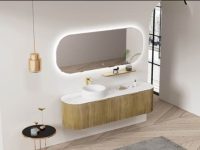
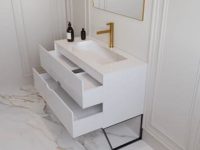









Your bathroom countertop gets used every single day. Water sits on it, hot tools touch it, and toothpaste or makeup spills happen more than anyone plans for. The material you pick decides how well it survives all of that, and how much work it takes to keep clean. Some materials need yearly sealing. Others barely need any care at all. Price also varies widely across options, so it helps to know what you are choosing before you buy.
This guide for buying bathroom countertops keeps things simple. It covers the main materials, what each one is good at, and what to ask before you commit to one for your bathroom.
How to Choose a Bathroom Countertop?
Start with how the room actually gets used day to day. A family bathroom with kids racing in and out needs a different surface than a quiet ensuite that only sees light traffic. Think about your budget early, too, since materials vary widely in price, which shapes which options are realistic before you fall for a particular look.
Once you know your must-haves, get physical samples before ordering anything. Photos and showroom lighting can make colours look different once they are sitting under your own bathroom lights. Check the sample against your basin, taps, and flooring, since the countertop needs to work with what is already in the room, not fight against it.
What Is the Best Bathroom Countertop Material?
There is no single best answer, since it depends on how the room gets used and what look you want. Here is how the most common materials compare:
Quartz: non-porous and stain-resistant, and never needs sealing, which makes it the easiest all-round choice for most bathrooms.
Porcelain: extremely tough, resists heat and scratches well, and holds up under heavy daily use.
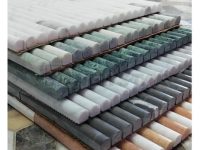
Granite: a natural stone with unique veining in every slab, though it needs sealing every year or so.
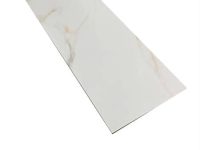
Marble: elegant and timeless, but softer than other stones and more prone to staining without regular care.
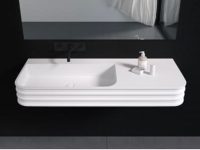
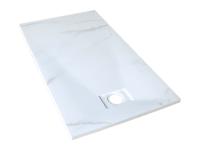
Solid surface (resin stone): smooth and seamless, pairs well with countertop basins, and wipes clean with ease.
Laminate: the most affordable option on this list, though less durable under heat and heavy daily wear.
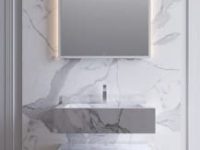
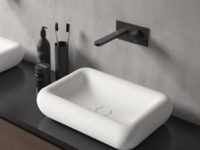
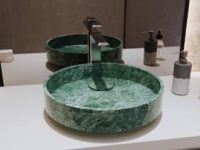
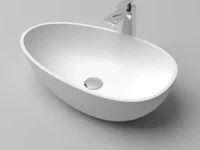
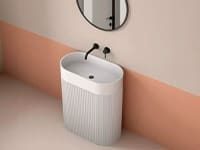
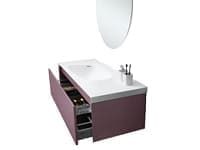
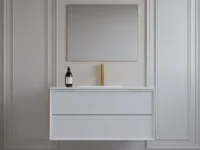
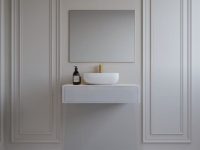
A well-chosen countertop works even better paired with the right basin. RNK makes this easy with a collection crafted from ceramic, resin stone, and solid stone. We also offer small countertop basins that suit compact family bathrooms without asking you to compromise on style.
Shop from our range today!
Quartz vs Granite Bathroom Countertops
These two materials get compared more than any other pairing, and for good reason.
Durability and Everyday Wear
Both quartz and granite stand up well to daily bathroom life. Quartz resists chipping and cracking thanks to its engineered structure, while granite is naturally tough and rarely shows scratches from everyday use. Either material handles a busy household without much trouble.
Heat Resistance
Granite has the edge here, since it can take a hot hair straightener or curling iron directly on its surface without damage. Quartz is not quite as forgiving, since high heat can affect the resin that holds it together, so a heatproof mat is worth keeping nearby.
Maintenance and Sealing
Quartz never needs sealing, which makes it the lower-effort option for most households. Granite is porous and needs sealing every year or so to stay stain-resistant, though it is a quick job once you get into the habit.
Look and Consistency
Granite gives you one-of-a-kind veining, since no two slabs look quite the same. Quartz offers a more consistent pattern and colour, which suits anyone who wants their countertop to match a specific design plan exactly.
Cost Over Time
Quartz usually costs less to maintain over the years because it skips the annual sealing that granite requires. Granite can carry a higher upfront price tag, though many homeowners feel the natural look is worth the extra investment.
Best Bathroom Countertops for Busy Families
Family bathrooms take more punishment than any other room in the house.
Surfaces That Handle Daily Wear
Non-porous materials like quartz and porcelain are the safest bet for a bathroom used by kids and adults alike. They shrug off toothpaste, bath toys, and the occasional spilt bottle of shampoo without staining or absorbing moisture.
Safer Shapes for Busy Mornings
Rounded edges and a gently curved basin help avoid bumps and bruises when everyone is rushing to get ready at once. A slightly raised lip around the countertop also stops small spills from running straight onto the floor.
Practical Style That Still Looks Good
You do not have to sacrifice style for durability. Light, consistent colours hide water spots better than very dark or very pale finishes, and a countertop basin adds a clean, modern look while staying simple to wipe down. Picking a surface that still looks good after years of daily use matters as much as picking one that survives it.
Final Thoughts
A bathroom countertop is something you’ll use every day, so it’s worth choosing one that suits your lifestyle instead of chasing the latest trend. Test samples in your own light, ask what sealing and upkeep will involve, and choose something built to last well past the first year. That is really what a good bathroom countertop buying guide should help you do: make a choice you will still be happy with long after the renovation is finished.
For a finishing touch that matches your new countertop, RNK also offers a luxury bathroom basin collection, with round and square designs crafted from natural stone and resin. Check out our catalogue to renovate your bathroom today!
