


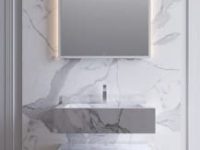
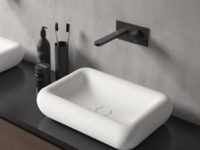
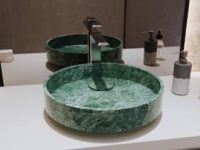
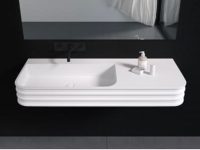
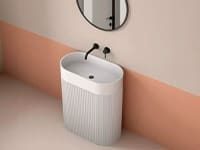
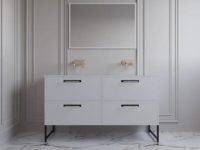
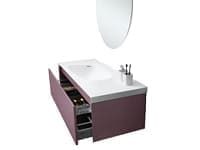
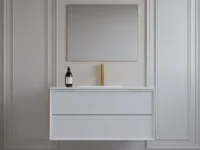
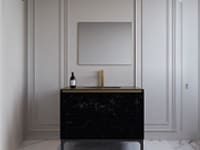
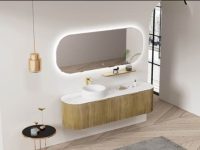
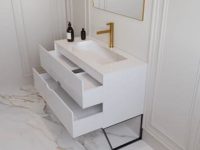
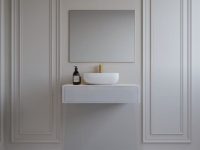
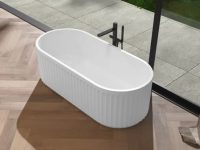
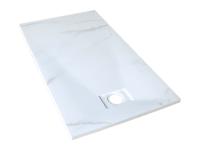

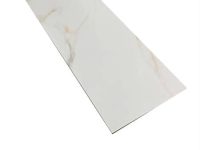


Your vanity top takes more punishment than almost any other surface in your home. It faces water splashes, dropped perfume bottles, heat from styling tools, chemical-heavy cleansers, and the relentless grind of a morning routine repeated 365 days a year. Most materials cope for a while, then quietly begin to show their age through staining, surface dulling, or chipping at the edges. Sintered stone is built for a different standard entirely.
This material has been gaining serious traction in luxury bathroom design, and the reason is not just aesthetic. Homeowners and interior designers alike are choosing it specifically because it holds up where others fall short. So, how durable is sintered stone really, and does that durability justify the investment? Let’s get into it.
What is Sintered Stone and How is it Made?
Before we can talk about durability, it helps to understand what sintered stone actually is. It is produced by compressing and heating natural minerals, typically quartz, feldspar, silica, and clay, at extremely high temperatures, often exceeding 1,200°C. This intense process creates a surface that is ultra-dense, non-porous, and structurally robust in ways that most natural and engineered stones simply cannot match.
The manufacturing method is what gives sintered stone its remarkable performance properties. Unlike natural marble, which forms organically over millions of years, sintered stone is engineered to a precise standard every single time. That consistency is one of the reasons it performs so reliably in high-demand environments, such as bathroom vanity tops.
Sintered Stone Durability Explained
It begins with one important number: its Mohs hardness rating sits between 7 and 8, putting it alongside or ahead of most natural stones. In practical terms, this means the surface is extremely resistant to the everyday wear and tear a bathroom vanity endures, including cosmetics, cleaning products, jewellery, and years of moisture exposure.
Sintered stone panels are available in thicknesses ranging from 6mm to 20mm, with 12mm being the most popular choice for vanity tops. The thicker the slab, the greater its structural integrity, which makes it ideal for countertop applications that experience regular physical contact and carry day-to-day weight.
Key Durability Properties That Set Sintered Stone Apart
This is where sintered stone truly distinguishes itself as a vanity top material. Below are the specific performance properties that make it one of the most compelling options available today.
Scratch Resistance
Sintered stone is among the few genuinely scratch-resistant bathroom countertops that live up to their claim. Since the surface is fired at such high temperatures, the mineral particles fuse together at a molecular level, creating a hardness that resists most scratches from everyday use. You can rest accessories, drag bottles across the surface, or clean vigorously without worrying about visible marks accumulating over time.
Heat Resistance
One of the standout qualities of sintered stone is its ability to handle high temperatures without suffering damage. As one of the leading heat-resistant vanity top materials on the market, it can withstand temperatures up to 300°C (572°F) without discolouration, cracking, or warping. This is particularly practical in a bathroom where heated styling tools and hot water contact are daily realities.
Stain Resistance
Thanks to its non-porous structure, sintered stone does not absorb liquids. Spilt foundation, hair dye, cleaning chemicals, and water leave no permanent marks on the surface. This is a major advantage over natural marble, which requires periodic sealing to prevent staining and surface degradation.
UV Resistance
Sintered stone maintains its colour and finish even with prolonged exposure to natural light. This makes it a reliable choice for bathrooms with large windows or skylights, where other materials, including some engineered stones, may fade or shift in tone after extended exposure.
Chemical Resistance
Bathroom environments are regularly exposed to a wide range of cleaning agents, personal care products, and disinfectants. Sintered stone resists chemical degradation exceptionally well, meaning the surface will not etch, dull, or deteriorate when it comes into contact with these substances.
Impact and Chip Resistance
Sintered stone is undeniably tough, though it is worth being realistic: like any hard stone, it can chip if subjected to a sharp, concentrated impact, such as dropping a heavy object directly onto a corner or edge. Under normal daily use, however, the risk of chipping is minimal. This addresses the common question of “Are sintered stone countertops strong enough for a long-term installation?” For most bathroom vanity applications, the answer is a confident yes.
Explore the RNK curated range of Stone Vanities to discover sintered stone options designed to elevate your bathroom with lasting durability and refined elegance.
Sintered Stone vs Quartz: Durability Comparison?

The sintered stone vs quartz comparison comes up regularly during the research phase of a bathroom renovation. Quartz countertops are engineered using approximately 90–95% natural quartz crystals combined with resin binders, whilst sintered stone contains no resin at all and is formed entirely through heat and pressure. This distinction matters because the resin in quartz can discolour under UV exposure and may not handle direct heat as reliably as sintered stone.
In terms of scratch resistance, both materials perform well. In terms of temperature tolerance and UV resistance, sintered stone has a clear advantage. Quartz is typically more forgiving during installation due to its slight flexibility, but for long-term performance in a bathroom vanity, sintered stone is generally considered the more resilient option.
Property |
Sintered Stone |
Quartz |
| Composition | 100% natural minerals, no resin | 90–95% quartz crystals + resin binders |
| Heat Resistance | Up to 300°C , no damage | Moderate, resin can warp under direct heat |
| Scratch Resistance | Excellent (Mohs 7–8) | Very good (Mohs 7) |
| UV Resistance | Excellent, colour stable in sunlight | Moderate resin may discolour over time |
| Stain Resistance | Excellent, fully non-porous | Very good, low porosity |
| Chemical Resistance | Excellent | Good |
| Maintenance | No sealing required | No sealing required |
| Installation | Rigid, requires precision cutting | Slightly flexible, more forgiving to install |
| Longevity | Decades with minimal upkeep | 10–15 years typical lifespan, a few can last 20–30+ years |
How Long Does a Sintered Stone Vanity Top Last?
Properly installed and cared for, a sintered stone vanity top can last for decades. Because the surface requires no sealing, develops no significant porosity over time, and maintains its finish under normal conditions, it represents a genuinely low-maintenance investment. Many manufacturers back their sintered stone products with warranties of 10 years or more, which reflects real confidence in the material’s longevity.
Regular maintenance with a moist cloth and a mild, pH-neutral detergent is all that is needed to keep the surface in excellent condition. Avoiding abrasive scrubbers will preserve the finish, though the material itself will not be damaged by thorough cleaning.
Conclusion
Sintered stone is, by any reasonable measure, one of the most durable materials available for a bathroom vanity top today. Its resistance to scratches, heat, stains, UV, and chemicals makes it a thoroughly practical choice for a space that sees intensive daily use. If longevity, minimal maintenance, and a premium aesthetic are priorities for your renovation, sintered stone is a material that genuinely delivers on its promises.
Ready to invest in a vanity top that performs as beautifully as it looks? RNK is a reliable London Basin Company that pairs exceptional sintered stone quality with the design expertise of a registered British luxury brand. Get in touch with our team to explore the full sintered stone collection.
