



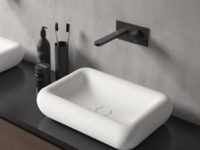


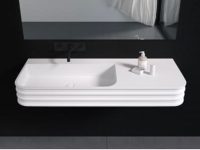
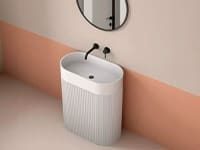

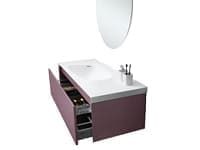
























Choosing a vanity unit for your bathroom sounds simple enough, until you realise just how much that single decision can affect the look, feel, and functionality of the entire space. If you are renovating a compact en suite or redesigning a family bathroom, the debate between floor-standing and wall-mounted vanity options is one worth exploring carefully.
Both styles have genuine strengths, and neither is universally “better.” The right choice depends on your bathroom’s size, your aesthetic preferences, your storage needs, and the structural condition of your walls. This guide breaks down everything you need to know to make a confident, informed decision.
Understanding the Two Types of Vanity Units
There are two kinds of units: a floor-standing and a wall-mounted vanity.
A floor-standing vanity unit, sometimes called a freestanding unit, sits directly on the bathroom floor, supported by its own base or legs. It is stable, self-supporting, and relatively straightforward to install. These units tend to have a more traditional, substantial appearance and are particularly well suited to larger bathrooms, where a bold visual presence is welcome.
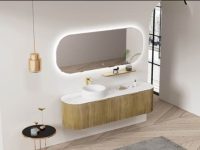
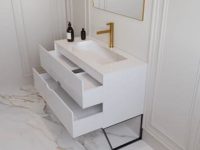
On the other hand, a wall-mounted vanity unit is fixed directly to the wall using heavy-duty brackets, with no contact with the floor. This creates a visible gap underneath, which changes how the bathroom feels both visually and practically. Wall-mounted units are closely associated with contemporary, minimalist design and are a popular choice in modern bathroom renovations.
Pros and Cons of Floor-Standing Vanity Units
The Advantages of Floor-Standing Units
Generous Storage Space
Because the unit extends to the floor, there is considerably more internal cabinet space for toiletries, towels, and cleaning products. For families or anyone with ample bathroom essentials, this is a practical advantage that is hard to overlook.
Easier Installation
Floor-standing units do not require a structural wall assessment. As long as you have a level floor and the correct plumbing connections, installation is generally more straightforward, making them a sensible option for older properties or DIY bathroom updates.
Timeless Aesthetic
Floor-standing vanities carry a classic, substantial quality that suits traditional bathroom styles particularly well. They can anchor a room and lend a sense of permanence and luxury.
If you are considering upgrading your bathroom furniture, browsing RNK’s curated range of modern floor-standing vanity units is an excellent place to begin. We offer durable vanities in modern designs for people who want their bathroom to feel like a 5-star hotel!
The Drawbacks of Floor-Standing Units

They Take Up More Floor Space
The most significant downside is that a floor-standing unit occupies a continuous section of the floor. In smaller bathrooms, this can make the room feel confined and visually heavy, creating a dividing line that interrupts the sense of space.
Cleaning Can Be Challenging
Dust, hair, and grime tend to accumulate around the base and in the gap between the unit and the wall. Mopping underneath or around the plinth is awkward and time-consuming, and hard-to-reach areas can become progressively difficult to maintain.
Pros and Cons of Wall-Mounted Vanity Units
The Advantages of Wall-Mounted Units
A Spacious, Open Feel
The most celebrated benefit of a wall-mounted unit is the visual openness it creates. By lifting the unit off the floor, the continuous expanse of flooring remains visible, giving the impression of a larger bathroom with great ventilation. This is why wall-mounted units are often considered the best vanity units for small bathrooms: the open space beneath creates the perception of more square footage, even when the actual dimensions remain unchanged.
Effortless Floor Cleaning
Without a plinth or base on the floor, a mop or cloth can sweep straight underneath the unit in a single movement. For busy households that clean frequently, this is a genuinely practical day-to-day advantage.
Height Flexibility
Wall-mounted units can be installed at whatever height suits you best, a feature particularly valuable for taller users or households where accessibility is a priority. This ergonomic flexibility is something floor-standing units simply cannot offer.
Contemporary Design Appeal
Wall-mounted units suit minimalist interiors and pair well with large-format tiles, frameless mirrors, and modern sanitary ware.
The Drawbacks of Wall-Mounted Units
Wall Strength Is Essential
This is the most critical practical consideration when assessing the pros and cons of installing a wall-mounted bathroom vanity. The wall must be structurally sound and capable of bearing the combined weight of the cabinet, basin, and contents. Hollow partitions or stud walls may require reinforcement before installation can proceed, adding time and cost.
More Complex Installation
Plumbing connections must be routed through the wall, and brackets must be precisely aligned and secured. Professional installation by a qualified plumber is strongly recommended for this type of unit.
Less Internal Storage
Because the cabinet does not extend to the floor, wall-mounted units typically offer slightly less internal storage. For those with significant storage requirements, this is worth factoring into the decision.
Key Factors to Consider
Bathroom Size
In smaller bathrooms and cloakrooms, a wall-mounted unit’s visual lightness can make a genuine difference. In larger bathrooms, a floor-standing unit’s presence and storage capacity can be an asset.
Existing Plumbing
Rerouting plumbing is an involved process, particularly in older UK properties. Always consult a qualified plumber before committing to a style that requires significant pipe changes.
Wall Condition
Solid masonry walls are ideal for wall-mounted units. Timber-frame or stud walls may need reinforcement, so it is worth having them assessed before purchasing.
Aesthetic Vision
For a traditional or country-style bathroom, a floor-standing unit with warm wood tones and classic hardware works beautifully. For a contemporary look, a wall-hung unit in a matte finish or with fluted detailing feels far more cohesive.
Final Thoughts
The choice between a floor-standing and a wall-mounted vanity unit ultimately comes down to your priorities. If you value generous storage, simpler installation, and a classic aesthetic, a floor-standing unit is likely the right fit. If you prefer visual spaciousness, easier cleaning, and a modern look, a wall-mounted unit is well worth the additional installation effort.
Both options can transform a bathroom into a beautiful, functional space, provided they are chosen with the room’s dimensions, existing plumbing, and your personal design vision in mind. Take the time to assess your bathroom carefully, seek professional advice where needed, and invest in a quality unit built to last.
If you are going for a clean, uncluttered look, we offer a selection of floor-standing and wall-hung vanity units for bathrooms at RNK. Check out our collection to design the luxury bathroom of your dreams!
