



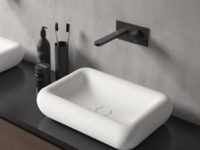

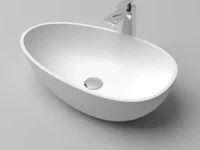
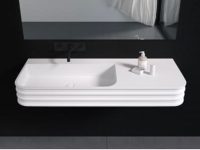
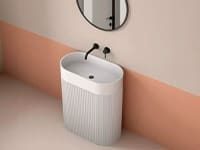



















Creating a beautiful bathroom is about more than picking a basin and tiles. The vanity unit plays a key role in how the space looks and feels. It’s the piece that ties together function and design. But many homeowners find themselves torn between two main styles: wall-hung and floor-standing units. Understanding the difference between wall-hung and floor-standing vanities can help you make the right decision for your space.
Let’s go through each option, what makes them special, and how to decide which fits your bathroom best.
What Are Wall-Hung Vanity Units?
A Modern Take on Bathroom Design
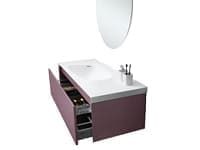
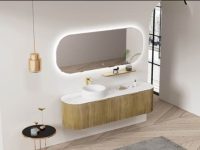
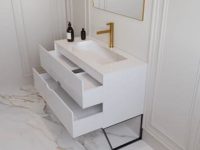
Wall-hung vanity units are mounted directly to the wall, leaving space underneath. This design gives your bathroom a sleek, floating appearance that instantly feels modern. Because the floor beneath remains visible, the room appears larger and more open.
Key Features
- Mounted securely to the wall
- Creates a floating look with visible floor space
- Usually paired with integrated basins or countertop basins
- Ideal for contemporary or minimalist interiors
Benefits of Wall-Hung Units
- Space illusion: By freeing up floor space, they make compact bathrooms feel more spacious.
- Easier cleaning: The open floor makes sweeping and mopping hassle-free.
- Sleek style: Perfect for modern homes that favour clean lines.
- Adjustable height: You can install it at a height that suits your comfort.
What Are Floor-Standing Vanity Units?
Classic and Sturdy Design
Floor-standing vanities are the traditional type that rest directly on the ground. They often come with legs or a solid base. These units provide a sense of stability and can hold more storage compared to wall-hung designs.
Key Features
- Sits firmly on the floor
- Offers more storage capacity
- Works well in both classic and transitional bathrooms
- Easier to install, as wall reinforcement isn’t needed
Benefits of Floor-Standing Units
- Extra storage: Great for families who need room for toiletries, towels, and cleaning supplies.
- No wall mounting needed: Easier and cheaper to fit.
- Classic aesthetic: Adds a sense of grounding and substance to your bathroom.
- Hides plumbing: Perfect for concealing unsightly pipework.
Wall-Hung Vs Floor-Standing Vanity Difference

Here’s a clear look at the wall-hung vs floor-standing vanity difference to help you weigh up your options:
| Feature | Wall-Hung Vanity | Floor-Standing Vanity |
| Appearance | Modern, sleek, floating | Traditional, grounded, solid |
| Space Saving | Excellent for small bathrooms | Takes up more floor space |
| Cleaning | Easier access under the unit | Requires cleaning around the base |
| Storage Capacity | Moderate | Usually more storage |
| Installation | Needs wall reinforcement | Simpler installation |
| Maintenance | Easier to reach underneath | All-in-one access from the front |
| Style Preference | Minimalist and contemporary | Classic or family-style bathrooms |
When you look at this comparison, it’s easy to see why both types remain popular. Each serves a different kind of space and design taste.
Which Vanity Unit Is Better for Small Bathrooms?
This is one of the most common questions asked by homeowners. The answer depends on your priorities, but generally, wall-hung vanities win in compact spaces.
Why Wall-Hung Units Work Best in Small Bathrooms
- The floating design creates an airy and uncluttered feel.
- The visible floor space makes the room appear larger.
- You can install smaller sizes without compromising on style.
If your bathroom is tiny, a wall-mounted vanity helps avoid that boxed-in feeling. You can pair it with a slim mirror cabinet for added storage without taking up extra floor area.
However, if you have a bit more space or want maximum storage, a small floor-standing unit can still look lovely. The key is to maintain proportion and avoid bulky designs that crowd the room.
So, when it comes to which vanity unit is better for small bathrooms, the wall-hung option usually wins for its visual lightness and practicality.
Pros and Cons of Wall-Hung Vanity
To give you a balanced view, here’s a quick summary of the pros and cons of wall-hung vanity units:
Pros
- Saves space and makes bathrooms look bigger
- Easy to clean underneath
- Adjustable height during installation
- Ideal for modern or minimalist designs
Cons
- Requires a strong wall for mounting
- Usually offers less storage than floor-standing models
- Installation costs can be higher
- Plumbing must be neatly concealed within the wall
Choosing the Right Vanity for Your Bathroom
Think About Your Layout
Consider where your plumbing sits. If your pipes run through the floor, a floor-standing vanity may make more sense. If they run through the wall, a wall-hung model will be easier to install cleanly.
Match the Style of Your Bathroom
For modern bathrooms, wall-hung vanities are often the go-to choice. They work beautifully with contemporary tiles, frameless mirrors, and sleek fittings. On the other hand, if you love a classic or traditional look, floor-standing units offer that grounded, timeless feel.
Consider Cleaning and Maintenance
If you prefer quick and easy cleaning, wall-hung units make your life simpler. You can mop under them effortlessly. But if you value large storage compartments for daily essentials, the floor-standing style might suit your routine better.
Storage Needs
Ask yourself how much space you really need. Do you have a lot of toiletries, towels, or cleaning products? Then go for a floor-standing unit with drawers or cupboards. If you prefer minimal clutter, a slim wall-mounted vanity will look chic and do the job.
Style Tips for Designer Bathrooms
If you want your bathroom to feel high-end, the vanity you choose should complement the rest of your design elements.
- Match finishes: Align the vanity handles or taps with your shower and basin fittings.
- Balance materials: Pair glossy finishes with matte textures for depth.
- Use lighting wisely: Install LED lights under a wall-hung vanity for a floating glow.
- Add a statement mirror: A round or backlit mirror adds instant elegance.
These details will help your vanity look like part of a cohesive luxury design rather than just a functional storage unit.
The Rise of Luxury Vanity Units in the UK
The demand for luxury bathroom vanity units in the UK has grown significantly in recent years. Homeowners are now seeing the bathroom as a personal retreat rather than just a practical space. High-quality vanities with integrated lighting, sleek basins, and premium finishes are setting new standards in modern interior design.
If you’re considering a bathroom upgrade, investing in a premium vanity will instantly raise the look and value of your home.
Conclusion
Both wall-hung and floor-standing vanities bring their own beauty to a bathroom. The wall-hung vs floor-standing vanity difference mostly comes down to space, storage, and style preference.
If you want a clean, modern look and have limited room, wall-hung units are ideal. But if you prefer extra storage and a classic aesthetic, floor-standing models are a timeless choice. Think about your lifestyle, available space, and cleaning habits before making your final decision.
Whatever you choose, make sure it complements your bathroom’s overall theme so the space feels well-designed and practical at the same time.
If you’re shopping for premium bathroom items in the UK, visit RNK for an exceptional range of stylish, functional, and long-lasting vanities. From compact wall-hung designs to elegant floor-standing models, we offer everything you need to create your dream bathroom with confidence and class.
