


























Bathroom renovations remain among the most impactful home improvement projects in the UK. A well-executed upgrade can improve daily comfort, modernise the space, and increase property value. Yet, these projects often carry risk. Poor planning, overlooked details, and design missteps can lead to costly mistakes, extended timelines, and compromised results. People seeking to modernise their bathrooms benefit greatly from understanding common renovation errors and learning how to avoid bathroom remodeling mistakes effectively.
This bathroom renovation project guide outlines common pitfalls encountered during renovations and offers actionable advice to help you achieve stylish, functional, and durable results. Following clear bathroom renovation tips can save time, reduce stress, and maximise return on investment.
Common Pitfalls That Affect Renovation Success
1. Overlooking the Layout
One of the most frequent renovation errors occurs when the existing layout is accepted without review. Poorly considered spatial arrangements can reduce movement, limit storage, and create awkward zones. Modern bathrooms require careful planning to balance fixtures, circulation space, and visual appeal.
You can avoid this by evaluating how each element functions together. Consider the positioning of sinks, toilets, and showers in relation to doors, windows, and storage. Even minor adjustments can significantly improve usability and flow.
2. Inadequate Budget Allocation
Budget mismanagement often leads to compromises in quality or unexpected costs. Many projects underestimate labour, materials, or fixture expenses, leaving homeowners with unfinished or substandard results.
Accurate budgeting, including contingency planning, helps keep projects on track. Allocating funds for essential upgrades such as plumbing, waterproofing, and high-quality fittings helps prevent surprises and maintain the desired finish.
3. Choosing the Wrong Size or Style
Selecting fixtures without consideration for space or style can reduce both functionality and visual appeal. Oversized vanities, sinks, or bathtubs may dominate smaller rooms, while undersized elements can feel out of proportion.
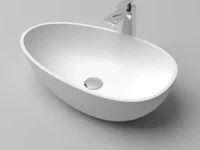
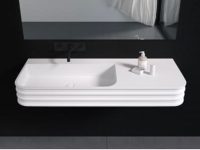
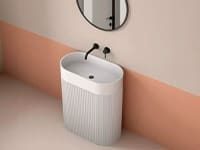
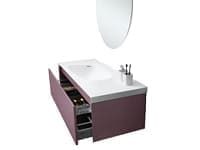
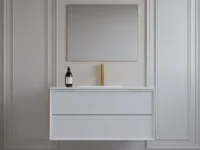
Incorporating practical bathroom furniture tips, such as choosing wall-mounted basins, floating vanities, or modular storage units, can maximise floor space and improve circulation. Coordinating materials, finishes, and colours further enhances the visual harmony of the room, making it both inviting and functional.
Discover the perfect luxury bathroom basin with RNK and transform your space into a stylish, functional haven that combines elegance with everyday comfort.
4. Prioritising Aesthetics over Function
Design choices should balance beauty and practicality. Fixtures may look appealing in a showroom, but fail to meet everyday needs. For instance, vanities lacking sufficient counter space or storage can reduce efficiency and convenience.
You should consider daily routines when selecting taps, sinks, and cabinets. Combining functionality with style supports long-term satisfaction and avoids later upgrades.
5. Ignoring Subfloor and Drainage Conditions
Many common renovation errors stem from inadequate attention to flooring and subfloor conditions. Moisture accumulation can cause warping, mould, and structural damage if waterproofing and drainage are overlooked.
Checking subfloor integrity and planning proper drainage locations is critical. Using high-quality materials designed for wet environments extends the lifespan of the bathroom and prevents costly repairs.
6. Mismatched Materials and Finishes
Selecting incompatible flooring or wall materials can affect both durability and appearance. Some finishes may not withstand high humidity, while contrasting materials can clash visually.
Combining complementary surfaces, textures, and moisture-resistant materials supports a cohesive and long-lasting design.
7. Overlooking Ventilation Needs

Poor ventilation increases condensation, accelerates mould growth, and reduces air quality. Homes with insufficient extraction fans or window access frequently face maintenance issues.
Incorporating effective ventilation, such as ceiling extractors or humidity-controlled fans, protects finishes and fixtures while improving comfort.
8. Inadequate Lighting Design
Bathrooms require a mix of task, ambient, and accent lighting. Relying on a single overhead fixture can create shadows, reduce functionality, and fail to highlight design features.
A layered lighting approach helps illuminate mirrors, bathing areas, and storage zones efficiently. LED strips, mirror lights, and adjustable ceiling fixtures are popular solutions that enhance both style and usability.
9. Insufficient Storage Planning
Bathrooms that lack practical storage become cluttered quickly. Without planning for towel rails, cabinets, or recessed shelving, daily use can feel disorganised and cramped.
Using well-designed vanity units, wall-mounted cabinets, and creative shelving helps maximise space. Prioritising storage as part of the overall layout improves usability and contributes to a tidy, appealing interior.
10. Poor Fixture Placement
Incorrectly positioned taps, mirrors, or towel rails can compromise ergonomics. For instance, placing a sink too close to a door or bath can limit accessibility and reduce comfort.
Mock-ups or digital planning tools help visualise space and guide placement, reducing costly post-installation adjustments.
11. Ignoring Style Cohesion
A common renovation error is combining conflicting finishes or colours that disrupt harmony. Overly busy patterns or clashing tones can make the space feel smaller or chaotic.
Selecting complementary materials and finishes supports visual continuity. Neutral palettes and subtle textures maintain timeless appeal, while statement tiles or fixtures provide focus without overwhelming the design.
12. Neglecting Fixtures that Complement the Bathroom
Luxury fixtures, such as a basin or vanity units, should integrate with overall design themes. A misaligned style can reduce perceived quality, even if other aspects are well executed. Coordinating new fittings with existing features or future-proofed upgrades strengthens the overall impression of the space.
13. Relying Solely on DIY Approaches
Undertaking significant renovations without expert guidance can result in problems with the structure, plumbing, or electrical systems. Many bathroom renovation tips emphasise that a combination of expert guidance and informed homeowner decisions produces the best outcomes.
Professional contractors bring knowledge of local building codes, waterproofing standards, and modern design trends. Homeowners maintain control through planning and specification while avoiding common pitfalls.
Wrapping Up
Bathroom renovations can significantly improve comfort, style, and property value. Avoiding common renovation errors requires planning, practical fixture selection, careful material choices, and professional guidance. Applying these bathroom renovation tips increases the likelihood of a successful project that combines aesthetics, functionality, and durability. People aiming to increase their home’s appeal and resale value benefit from following a detailed bathroom project guide.
For those planning a renovation, create a standout bathroom with our luxury bathroom vanity units in the UK. RNK offers a curated selection of modern fixtures and design solutions to help create stylish, functional, and enduring bathroom spaces.
