



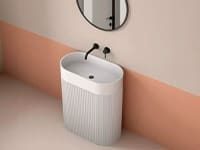

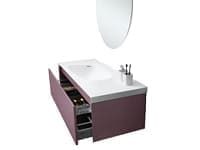
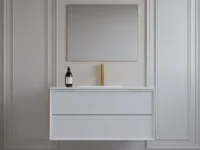

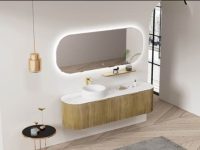
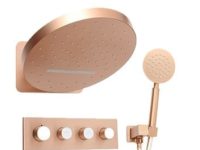
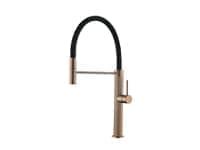
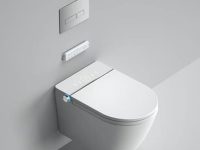

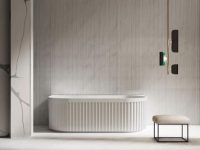
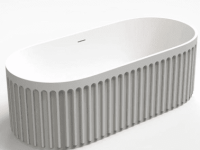
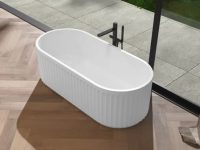
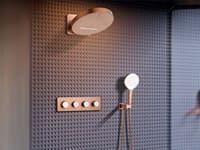
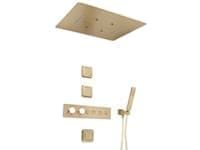
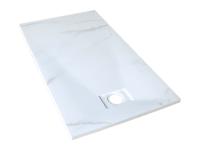








Every bathroom tells a story, and the type of bath you choose sets the tone. Some people dream of a spa-like centrepiece, while others prefer a clean, practical design that fits effortlessly into daily life. Freestanding baths bring elegance and flexibility, acting as artistic focal points that can be placed almost anywhere. Built-in baths focus on practicality, fitting neatly against walls to save space and simplify cleaning.
The right choice depends on how you want your bathroom to look and feel, combining comfort, design, and practicality in one beautiful statement.
Freestanding Vs Built-in Baths: Understanding the Key Differences
When exploring the difference between freestanding and built-in baths, it’s important to start with how each style shapes the overall look and feel of your bathroom. A freestanding tub makes a statement on its own, standing proudly as a feature piece that draws the eye. A built-in bath, in contrast, fits neatly against the walls, creating a smooth, integrated finish.
Here’s a closer look at what truly separates the two.
1. Design and Aesthetic Appeal
Freestanding baths are often seen as the centrepiece of luxury bathrooms. Their sculptural designs draw attention and add a timeless elegance. They come in various shapes, from classic clawfoot styles to modern oval silhouettes, making them ideal for creating a spa-like experience.
Built-in baths, on the other hand, focus on sleek integration. They fit snugly against walls or into corners, giving your bathroom a clean, streamlined look. For minimalists or those who appreciate subtle design, a built-in bath provides a neat finish that makes the space look tidy and well-organised.
2. Space and Bathroom Layout
Bathroom size plays a major role in your decision. Freestanding tubs require more open floor area, as they are designed to be admired from all sides. They work beautifully in large bathrooms where space is not an issue. Placing them near a window or in the centre of the room creates an instant focal point.
Built-in baths are ideal for compact bathrooms or those with limited layout options. They use corners and wall space efficiently, leaving more room for movement or additional fixtures. If you are wondering which bath is best for small bathroom designs, a built-in model is typically more practical, as it maximises functionality without overwhelming the area.
3. Installation and Plumbing
Freestanding tubs are relatively easy to install because they don’t require wall framing or tile work around them. However, the plumbing setup may be more complex if your bathroom floor doesn’t already accommodate a centre drain or freestanding tap.
Built-in baths require more labour for installation. They need a built structure for support, tiling, and sealing. Yet, once installed, maintenance is simpler since plumbing lines are usually hidden behind panels or walls. If you prefer a bath with discreet fittings and straightforward upkeep, a built-in option could suit you better.
4. Comfort and Experience

Comfort is another deciding factor. Freestanding baths often feature deep-soaking designs that allow full-body immersion, making them perfect for long, relaxing baths. Their curves and contours feel luxurious, giving you that spa-quality comfort at home.
Built-in baths are generally shallower, which makes them convenient for families or individuals who prefer quick baths. They are also easier to step into, making them a good choice for households with children or elderly family members.
5. Cleaning and Maintenance
Freestanding tubs are easy to clean on the inside but may require extra effort underneath or around the back, depending on their placement. Dust can collect beneath them if not regularly cleaned.
Built-in tubs, once sealed, require less day-to-day cleaning. Their edges are sealed against the wall, reducing gaps where dirt can accumulate. Over time, maintaining the grout or caulking might be necessary, but it’s generally a small task compared to cleaning around a freestanding tub.
6. Durability and Longevity
Both types of baths are durable, but materials can make a big difference. Freestanding models are often made of acrylic, cast iron, or stone resin. These materials are built to last and resist scratches.
Built-in baths are typically made of fibreglass or acrylic and are reinforced with frames or panels. This structure gives them strength and stability. Proper installation is crucial for their longevity, as poor sealing can lead to water leaks.
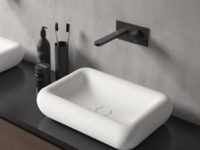
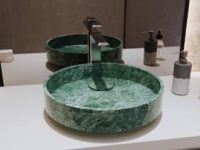
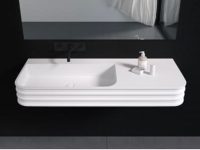
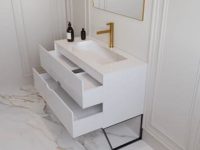
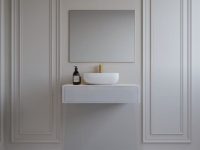
To pair your chosen bath with a stylish sink that complements your design, consider a wall-mounted stone sink from RNK. It can add balance to both modern and traditional bathrooms, matching beautifully with either bath style.
7. Cost and Value
Freestanding baths tend to cost more due to their design statement and high-quality materials. However, they can also enhance your home’s resale appeal, especially if your bathroom design showcases them well.
Built-in baths are often more affordable and practical for families. They offer excellent value for homeowners seeking a balance between function and style.
Choosing The Right Type of Bath: Pros and Cons Explained
Understanding the different types of baths can help you make a choice that fits your style, space, and daily routine. Each type has its strengths and trade-offs, so understanding them enables you to weigh the pros and cons of freestanding bath designs against the functionality of built-in and other bath models.
1. Freestanding Bath
To make a balanced decision, let’s look at the pros and cons of freestanding bath designs.
Pros:
- Adds elegance and focal appeal to the bathroom
- Available in diverse shapes and materials
- Easier to install in open spaces
Cons:
- Requires more floor space
- May have complex plumbing needs
- Can be harder to clean underneath
Freestanding baths shine in style but demand careful consideration for layout and plumbing.
2. Built-in Baths
Built-in baths excel in functionality and space-saving. Their main pros include:
Pros:
- Compact and practical for smaller bathrooms
- Easier access for all ages
- Lower installation and maintenance costs
Cons:
- Less visually dramatic than freestanding tubs
- Custom framing or tiling may be required
- Replacement can be more involved
Built-in designs focus on efficiency, comfort, and ease of use, which is why they remain a top choice for busy households.
Which Bath Suits Your Lifestyle?
If you love long, quiet baths and have the space for a centrepiece design, a freestanding tub will bring a sense of indulgence to your bathroom. It’s perfect for homeowners who value relaxation and aesthetic flair.
If your bathroom is small or you prefer a neat, practical look, a built-in bath will offer comfort without sacrificing style. For those wondering which bath is best for small bathroom layouts, built-in tubs remain the go-to choice for maximising every inch.
To Wrap Up
The choice hinges on your room size, budget, and desired vibe. Freestanding brings elegance and freedom, while built-in delivers sleek efficiency. Think about daily use; do you crave a showstopper or smart functionality? Both transform routines into rituals. Measure your space, weigh the differences between freestanding and built-in baths again, and visualise the end result. You’ll land on the perfect fit.
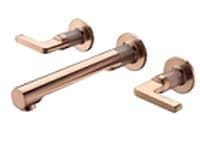
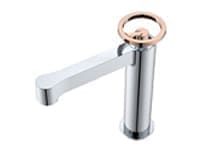
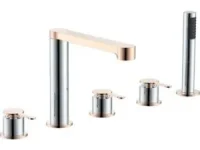
If you are planning a complete renovation or upgrade, you can buy your bathroom products in the UK from RNK. Not only do we offer both styles of baths, but we also provide matching fixtures and accessories. Check out our catalogue today!
