






















When it comes to upgrading a bathroom, a freestanding tub is one of the most eye-catching and stylish additions you can make. In 2025, freestanding tubs are more popular than ever, offering homeowners a sense of luxury while also being practical. This Buyer’s Guide on How to Choose a Freestanding Tub in 2025 will walk you through everything you need to know, from understanding styles and measurements to durability and pros and cons.
Freestanding Tub Styles Explained
One of the first things people notice about freestanding tubs is the variety of shapes and designs available. Understanding freestanding tub styles can make a big difference when you are trying to match a tub with the rest of your bathroom.
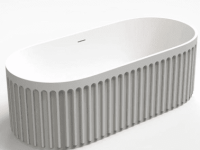
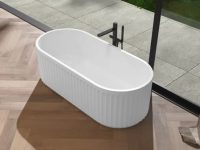
Classic roll-top tubs are a timeless choice, offering curves and a traditional look that works well in vintage-inspired bathrooms. Slipper tubs, with their raised back, are designed for comfort and provide excellent support if you enjoy long soaks. On the other hand, more contemporary tubs often come in oval, square, or even asymmetrical designs, creating a bold statement in a modern bathroom setting.
Material also plays a role in style. Acrylic tubs, for instance, are light and easy to shape, which means you will find them in many different forms. Cast iron tubs bring a more rustic and substantial presence, while stone resin tubs provide a natural and spa-like appearance. Knowing the visual impact of each style helps you narrow down your choice to one that suits your taste.
How to Measure for a Freestanding Tub?
Before making any purchase, you need to think carefully about size and placement. Learning how to measure for a freestanding tub is an important step in the decision-making process. Unlike built-in tubs, freestanding tubs require extra thought about the space around them, as they are designed to stand away from walls.
Start by measuring the length and width of your bathroom, then decide where you want the tub to go. You will need to leave enough clearance around the tub so it does not feel cramped. As a rule of thumb, allow at least 15 centimetres of space between the tub and surrounding walls or furniture. Do not forget about the height of the tub, too, as this will affect ease of access.
It is also vital to consider the weight of the tub, particularly if you live in an older property. Heavy materials such as cast iron may need floor reinforcement. Measuring the entryways and hallways is another step that people sometimes overlook. If the tub cannot fit through your doorways, installation becomes far more complicated.
Pros and Cons of Freestanding Tubs
Like any bathroom feature, freestanding tubs have their advantages and disadvantages. Knowing the pros and cons of freestanding tubs allows you to make a more confident choice.
Positive Aspects
On the positive side, freestanding tubs instantly add luxury and style to a space. They are a focal point, turning your bathroom into a place where design meets relaxation. They are also available in a wide variety of styles and materials, giving you plenty of options to suit your preferences. Placement flexibility is another benefit. Since they are not tied to walls, you can position them in different parts of the room for a unique look.
Downsides
On the downside, freestanding tubs often require more space, so they are not always ideal for small bathrooms. They can also be more expensive compared to built-in tubs, both in terms of the initial purchase and installation. Practical considerations, such as storage, also come into play, as freestanding tubs do not have built-in shelving around them. Water spillage is another issue if the design is too shallow or if the tap is not properly positioned.
Durability of Freestanding Tubs
When investing in something as significant as a bath, you will naturally want to know how durable freestanding tubs are. The answer depends on the material you choose. Acrylic tubs are generally lightweight and resistant to cracks, making them a popular choice for many households. However, they may scratch more easily compared to other materials.
Cast iron tubs are extremely durable and can last for decades, but they are heavy and may require additional support. Stone resin tubs offer a good balance, combining strength with a sleek, modern look. With proper care, most freestanding tubs will last many years, but it is worth factoring in cleaning and maintenance. Some materials need more attention to maintain their shine and prevent staining.
It is also worth considering how well the tub retains heat. Cast iron and stone tend to keep water warm for longer, which adds to their comfort and durability factor. Acrylic, while durable, may not retain heat as effectively, though modern manufacturing techniques are improving this aspect.
Choosing the Right Tub for Your Bathroom
Size and Space Considerations
After considering styles, measurements, durability, and practicality, it comes down to choosing the tub that feels right for your bathroom. If your space is large, you can afford to go for a dramatic centrepiece tub. Smaller spaces may benefit from slimmer and more compact designs that still offer comfort without overwhelming the room.
Style and Theme
Think about the overall theme of your bathroom, too. A roll-top or slipper tub works beautifully in a classic setting, while minimalist oval tubs suit modern interiors.
Taps and Plumbing
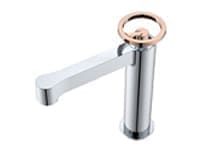
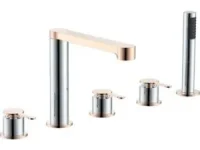
Do not forget about taps and plumbing. Freestanding taps can enhance the overall look but may require extra installation work.
Modern Design Trends
For those who love design trends, modern bathtubs are increasingly available in matte finishes and unique shapes, pushing the boundaries of what a traditional tub should look like. These trends show how adaptable freestanding tubs have become, making them suitable for nearly any style of bathroom.
Cost and Value Considerations
Freestanding tubs can range significantly in price depending on the material and design. Acrylic options tend to be more affordable, while cast iron and stone tubs are at the higher end of the scale. While the initial outlay may seem large, consider the long-term value. A quality tub can last many years, adding both comfort and visual appeal to your home.
Installation Costs
Installation costs should also be factored in. Freestanding tubs often require specialist fittings and sometimes additional plumbing. When setting a budget, include not just the tub itself but also installation, taps, and any reinforcement work.
Concluding Remarks
Choosing the right freestanding tub in 2025 doesn’t have to feel overwhelming. By exploring different styles, learning how to measure correctly, weighing the pros and cons, and considering durability, you can confidently select a tub that fits both your bathroom and lifestyle. A freestanding tub is more than a bathing fixture; it’s a statement piece that turns your space into a relaxing retreat.
If you are ready to upgrade your bathroom with a stunning new feature, now is the perfect time to buy bathroom products in the UK with a focus on quality and style. Connect with our experts at RNK for expert advice and start creating the bathroom you have always wanted.
