

















Shopping for a new toilet can feel confusing at first, especially if you have not thought much about the parts, features, or installation details before. When you browse products online or talk to a plumber, you will notice a lot of technical language that might leave you guessing. This is why understanding a few key terms makes the whole process smoother. With the right information, you will make confident choices, compare models easily, and avoid mistakes that could affect comfort or long-term use.
This guide brings together ten simple terms that will help you read product descriptions, understand fitting requirements, and find exactly what suits your home. It also works as a practical toilet buying guide, so you can approach your purchase with clarity and confidence.
Understanding Toilet Basics
Before we look at specific terms, it helps to know that every toilet has a few essential components. There is the pan, the seat, the cistern, and the flushing mechanism that pushes water through the bowl. How these parts fit together affects comfort, cleaning, water use, and the overall look of your bathroom. When you understand common bathroom fixture terms, it becomes easier to choose a toilet that fits your space, suits your routine, and matches your style.
Close-Coupled Toilet
A close-coupled toilet is one of the most common designs found in UK homes. The cistern sits directly on top of the pan, forming one connected unit. This style is practical, compact, and simple to install. It is a reliable choice for most bathrooms, because the layout works with standard plumbing and the shape fits well in both small and larger spaces.
Back-to-Wall Toilet
A back-to-wall toilet sits neatly against the wall, creating a tidy finish with no visible pipes running behind it. The cistern is either concealed inside the wall cavity or hidden within a furniture unit. This design offers a modern appearance, makes cleaning easier, and gives a smooth, uncluttered look in the bathroom. It is a popular choice for people who want a minimalist style without committing to complex work.
Wall-Hung Toilet
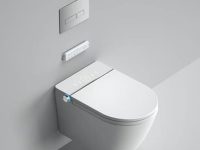
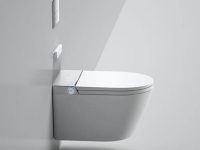
A wall-hung toilet is mounted on a strong internal frame, so the pan floats above the floor. This frees up floor space, makes cleaning simple, and creates a light, modern feel in the bathroom. If you are thinking of installing a wall-hung toilet in the UK, this is the term you will most often come across when researching options. It requires a sturdy frame and a bit more planning before installation, but the final effect is stylish and practical.
Dual-Flush System

A dual-flush system offers two buttons: one that releases a smaller amount of water for lighter waste, and another that provides a full flush. This gives you control over water use, helps lower household bills, and supports environmentally friendly living. Modern toilets often use this system as standard, because it balances performance and water efficiency without affecting comfort.
Rimless Design
A rimless toilet removes the traditional inner lip inside the bowl. Instead of water flowing through hidden channels, the flush is directed evenly around the entire bowl. This design improves hygiene, reduces the spots where germs can hide, and makes cleaning fast and simple. A rimless toilet is a common feature in many updated models, and it is often recommended by plumbers due to ease of maintenance.
P-Trap and S-Trap
P-trap and S-trap describe the direction of the toilet’s waste outlet.
- A P-trap has the waste exiting horizontally into the wall behind the toilet.
- An S-trap has the waste exiting vertically into the floor.
Matching the trap style to your existing plumbing can save time, reduce installation costs, and prevent unnecessary pipework. This is one of the most important terms in a toilet installation guide, especially for older properties.
Comfort-Height Toilet
A comfort-height toilet raises the seating level slightly higher than standard models. This design helps users who find it difficult to bend low, offers more support to taller people, and generally makes sitting and standing easier. It is a popular option for family homes, homes with elderly residents, and anyone who prefers a more upright seating position.
Soft-Close Seat
A soft-close seat has a gentle mechanism that lowers the seat and lid quietly without sudden movement. It prevents loud slamming noises, reduces wear on hinges, and adds a touch of comfort to everyday use. The slow, smooth motion is especially useful in homes with children or in households where quiet mornings matter.
Projection and Toilet Size
Projection refers to how far the toilet extends into the room. Bathrooms with limited space often benefit from short-projection toilets, which keep the layout open and accessible. Larger bathrooms can accommodate standard or elongated models comfortably. Knowing your measurements makes it much easier to pick the right shape and compare types of toilets accurately.
Cistern and Flush Plate
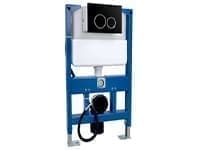
The cistern holds the water used for flushing. In some toilets, it is visible, as with close-coupled models, and in others, it is concealed behind a wall or inside a furniture unit. Concealed systems use a flush plate, which is a sleek panel mounted on the wall. These designs help create modern bathrooms and reduce visible clutter, but they require more planning before installation.
Quick Comparison
| Term | Meaning | Why It Helps |
| Close-Coupled | Cistern attached to the pan | Easy install, classic shape |
| Back-to-Wall | Pan sits against the wall | Hidden pipes, neat finish |
| Wall-Hung | Toilet mounted above the floor | Saves space, modern look |
| Dual-Flush | Two flush settings | Lower water use and bills |
| Rimless | Bowl without an inner rim | Cleaner, easier maintenance |
| P-Trap / S-Trap | Waste outlet direction | Matches existing plumbing |
| Comfort Height | Higher seating level | Better comfort and support |
| Soft-Close Seat | Quiet, slow-closing lid | Reduces noise and damage |
| Projection | Distance toilet protrudes | Helps plan room layout |
| Cistern | Water-holding unit | Affects style and fitting |
Conclusion
Once you understand these key terms, choosing the right toilet becomes much easier. You will recognise the basic features, understand product descriptions, and spot details that match your space, budget, and needs. This knowledge supports your bathroom upgrade and helps you use a bathroom essentials guide properly when comparing models online or in a showroom.
RNK offers a wide range of luxury toilets in the UK. If you want a bathroom upgrade that feels stylish, practical, and long-lasting, we can help you find the perfect option for your home. Contact us today to browse premium designs and get expert guidance on every step of your project!
