





















Use coupon code GET100 and avail £100 off over purchase of £1000! | Free Delivery on All Products — Shop Now and Save!

Buyer’s Guide on How to Choose a Freestanding Tub in 2025

When it comes to upgrading a bathroom, a freestanding tub is one of the most eye-catching and stylish additions you can make. In 2025, freestanding tubs are more popular than ever, offering homeowners a sense of luxury while also being practical. This Buyer’s Guide on How to Choose a Freestanding Tub in 2025 will walk you through everything you need to know, from understanding styles and measurements to durability and pros and cons.

Freestanding Tub Styles Explained

One of the first things people notice about freestanding tubs is the variety of shapes and designs available. Understanding freestanding tub styles can make a big difference when you are trying to match a tub with the rest of your bathroom.

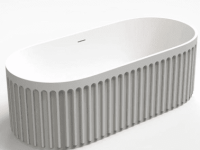
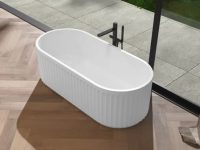
Classic roll-top tubs are a timeless choice, offering curves and a traditional look that works well in vintage-inspired bathrooms. Slipper tubs, with their raised back, are designed for comfort and provide excellent support if you enjoy long soaks. On the other hand, more contemporary tubs often come in oval, square, or even asymmetrical designs, creating a bold statement in a modern bathroom setting.

Material also plays a role in style. Acrylic tubs, for instance, are light and easy to shape, which means you will find them in many different forms. Cast iron tubs bring a more rustic and substantial presence, while stone resin tubs provide a natural and spa-like appearance. Knowing the visual impact of each style helps you narrow down your choice to one that suits your taste.

How to Measure for a Freestanding Tub?

Before making any purchase, you need to think carefully about size and placement. Learning how to measure for a freestanding tub is an important step in the decision-making process. Unlike built-in tubs, freestanding tubs require extra thought about the space around them, as they are designed to stand away from walls.

Start by measuring the length and width of your bathroom, then decide where you want the tub to go. You will need to leave enough clearance around the tub so it does not feel cramped. As a rule of thumb, allow at least 15 centimetres of space between the tub and surrounding walls or furniture. Do not forget about the height of the tub, too, as this will affect ease of access.

It is also vital to consider the weight of the tub, particularly if you live in an older property. Heavy materials such as cast iron may need floor reinforcement. Measuring the entryways and hallways is another step that people sometimes overlook. If the tub cannot fit through your doorways, installation becomes far more complicated.

Pros and Cons of Freestanding Tubs

Like any bathroom feature, freestanding tubs have their advantages and disadvantages. Knowing the pros and cons of freestanding tubs allows you to make a more confident choice.

Positive Aspects

On the positive side, freestanding tubs instantly add luxury and style to a space. They are a focal point, turning your bathroom into a place where design meets relaxation. They are also available in a wide variety of styles and materials, giving you plenty of options to suit your preferences. Placement flexibility is another benefit. Since they are not tied to walls, you can position them in different parts of the room for a unique look.

Downsides

On the downside, freestanding tubs often require more space, so they are not always ideal for small bathrooms. They can also be more expensive compared to built-in tubs, both in terms of the initial purchase and installation. Practical considerations, such as storage, also come into play, as freestanding tubs do not have built-in shelving around them. Water spillage is another issue if the design is too shallow or if the tap is not properly positioned.

Durability of Freestanding Tubs

When investing in something as significant as a bath, you will naturally want to know how durable freestanding tubs are. The answer depends on the material you choose. Acrylic tubs are generally lightweight and resistant to cracks, making them a popular choice for many households. However, they may scratch more easily compared to other materials.

Cast iron tubs are extremely durable and can last for decades, but they are heavy and may require additional support. Stone resin tubs offer a good balance, combining strength with a sleek, modern look. With proper care, most freestanding tubs will last many years, but it is worth factoring in cleaning and maintenance. Some materials need more attention to maintain their shine and prevent staining.

It is also worth considering how well the tub retains heat. Cast iron and stone tend to keep water warm for longer, which adds to their comfort and durability factor. Acrylic, while durable, may not retain heat as effectively, though modern manufacturing techniques are improving this aspect.

Choosing the Right Tub for Your Bathroom

Size and Space Considerations

After considering styles, measurements, durability, and practicality, it comes down to choosing the tub that feels right for your bathroom. If your space is large, you can afford to go for a dramatic centrepiece tub. Smaller spaces may benefit from slimmer and more compact designs that still offer comfort without overwhelming the room.

Style and Theme

Think about the overall theme of your bathroom, too. A roll-top or slipper tub works beautifully in a classic setting, while minimalist oval tubs suit modern interiors.

Taps and Plumbing

Do not forget about taps and plumbing. Freestanding taps can enhance the overall look but may require extra installation work.

Modern Design Trends

For those who love design trends, modern bathtubs are increasingly available in matte finishes and unique shapes, pushing the boundaries of what a traditional tub should look like. These trends show how adaptable freestanding tubs have become, making them suitable for nearly any style of bathroom.

Cost and Value Considerations

Freestanding tubs can range significantly in price depending on the material and design. Acrylic options tend to be more affordable, while cast iron and stone tubs are at the higher end of the scale. While the initial outlay may seem large, consider the long-term value. A quality tub can last many years, adding both comfort and visual appeal to your home.

Installation Costs

Installation costs should also be factored in. Freestanding tubs often require specialist fittings and sometimes additional plumbing. When setting a budget, include not just the tub itself but also installation, taps, and any reinforcement work.

Concluding Remarks

Choosing the right freestanding tub in 2025 doesn’t have to feel overwhelming. By exploring different styles, learning how to measure correctly, weighing the pros and cons, and considering durability, you can confidently select a tub that fits both your bathroom and lifestyle. A freestanding tub is more than a bathing fixture; it’s a statement piece that turns your space into a relaxing retreat.

If you are ready to upgrade your bathroom with a stunning new feature, now is the perfect time to buy bathroom products in the UK with a focus on quality and style. Connect with our experts at RNK for expert advice and start creating the bathroom you have always wanted.

Maintenance Tips for Keeping Pebble Basins Spotless

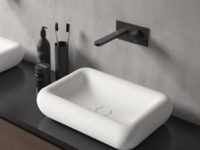
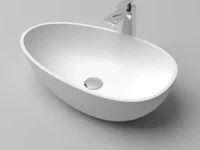
A pebble basin serves not only a practical purpose but also represents a blend of sophistication and creativity in any bathroom. Its natural textures and unique finish make it an attractive choice, but maintaining that fresh look requires consistent care. With the right approach, you can keep your basin shining for years without losing its charm.

This guide explores practical ways of cleaning, maintaining, and protecting your pebble basin.

Why Pebble Basins Require Special Care?

Pebble basins are crafted from natural materials that combine durability with a raw, earthy appeal. Unlike traditional ceramic or stainless-steel sinks, they are porous, which means they can absorb water and develop stains if neglected. Regular care helps preserve the smooth surface and prevents damage caused by soap scum, hard water, and everyday use.

Understanding the Basics of Pebble Basin Cleaning

Before exploring specific cleaning methods for pebble basins, it is important to understand what makes them different. Natural stone has micro-pores that can trap dirt and minerals. Using harsh chemicals may damage the finish, so gentle yet effective cleaning products are essential.

  • Always avoid bleach-based solutions.
  • Mild soap with warm water works best.
  • A soft cloth or sponge is safer than abrasive scrubbers.

This basic knowledge forms the foundation of effective basin maintenance.

Simple Steps for Cleaning a Pebble Basin

Knowing how to clean a pebble basin correctly can save you from premature wear and restore its natural shine. Here is a simple cleaning routine to follow:

Daily Wipe-Down

Rinse the basin after each use to wash away soap residue and minerals. A soft cloth ensures the surface remains scratch-free.

Weekly Cleaning

Fill the basin with warm water mixed with mild dish soap.

Utilise a soft sponge to carefully clean the surface.

Make sure to rinse well and dry with a microfiber cloth to prevent watermarks.

Monthly Deep Clean

For stubborn build-up, mix baking soda with water to create a paste. Apply it gently on stained areas, leave for a few minutes, and rinse. This method restores brightness without harming the stone.

Easy Steps for Cleaning Pebble Basins

Exploring varied cleaning methods for pebble basins helps in tackling different types of dirt. For hard water deposits, white vinegar diluted with water is effective. Always rinse well after applying vinegar. For soap scum, a solution of water and mild pH-neutral cleaner works best. If you prefer a natural option, lemon juice can help cut grease, but should not be left sitting, as it may etch the stone.

How to Prevent Stains in a Pebble Basin

A major concern for many homeowners is learning how to prevent stains in a pebble basin surfaces. Prevention is easier than removing existing marks. Here are some useful tips:

  • Apply a stone-safe sealant once or twice a year to protect the surface.
  • Dry the basin after use to reduce mineral deposits.
  • Avoid leaving coloured liquids like coffee, tea, or hair dye in the basin.
  • Place a mesh strainer to catch soap chunks or debris.

Taking small preventive measures saves time and effort in the long run.

Keep Pebble Basin Spotless With Smart Habits

Developing a routine ensures you always keep the pebble basin spotless. Encourage all household members to rinse the basin after use and avoid harsh products. Switching to liquid soap instead of bar soap reduces scum build-up. A basin maintained daily requires less deep cleaning and retains its natural beauty for much longer.

Choosing the Right Products for Cleaning

Not all cleaners are safe for natural stone. Acidic or abrasive solutions can permanently damage the finish. Instead, select gentle bathroom cleaners or natural homemade solutions. Soft-bristled brushes and microfibre cloths are safe choices for scrubbing. Many homeowners find that sealing the basin annually makes cleaning easier, as the protective layer prevents dirt and stains from settling.

Common Mistakes to Avoid

Some practices can do more harm than good when cleaning pebble basins. Here are the mistakes you should steer clear of:

  • Using bleach, ammonia, or strong acidic cleaners.
  • Scrubbing with steel wool or abrasive brushes.
  • Ignoring small stains until they become permanent.
  • Forgetting to dry the basin after cleaning.

Complementing Pebble Basins with Bathroom Decor

A well-maintained pebble basin looks stunning alongside modern bathroom furniture and accessories. Many homeowners complement their basins with wooden vanities, brass taps, or marble accents. If you love the look of pebble basins, don’t miss our handpicked selection of wash basins for bathrooms to complete your setup. Our range ensures your interior maintains a cohesive and luxurious feel.

Buying Trusted Products for Better Maintenance

The quality of your basin and its cleaning accessories matters as much as your maintenance routine. Reliable suppliers ensure you receive durable products that stand the test of time. Customers often search for bathroom products online to compare options and find suitable cleaning solutions. Choosing trusted sellers ensures authenticity and long-term value.

Seasonal Care Tips for Pebble Basins

Your pebble basin may face different challenges during changing weather. In humid months, mould or mildew can develop if moisture remains trapped. During colder months, mineral build-up becomes more visible as water evaporates slowly. Adapting your cleaning schedule to these seasonal changes helps protect your basin year-round.

  • Increase ventilation in humid months.
  • Wipe down regularly during cold weather to prevent limescale.
  • Re-seal the basin annually, preferably in spring or summer.

Why Long-Term Maintenance Matters

A pebble basin is more than a fixture; it is an investment in your bathroom’s design. Proper care ensures its longevity, protecting both its function and style. By maintaining regular cleaning and preventive maintenance, you can appreciate the elegance of natural stone without concerns about stains or harm.

Final Thoughts

Maintaining a pebble basin may seem demanding at first, but it becomes a simple routine once you establish good habits. Knowing how to clean a pebble basin, utilising efficient cleaning techniques, and implementing preventive measures will keep your basin pristine. Investing time in learning how to avert stains on pebble basin surfaces will benefit you with enduring elegance and strength. With regular maintenance, you can consistently keep your pebble basin immaculate and enhance the charm of your bathroom.

You can explore the exquisite collection of basins, vanities, and bathroom products online in the UK at RNK. Find appropriate cleaning solutions and accessories that go well with your basin.

Does a Floating Vanity Make a Bathroom Look Bigger?

Bathrooms are often the smallest rooms in a home, which makes every design choice crucial. Many homeowners search for ways to create the appearance of more space without altering the physical size of the room. One of the most popular solutions is the floating vanity. Sleek, practical, and visually striking, floating vanities are increasingly being chosen for compact bathrooms. But do they truly make a bathroom look larger, or is it simply a design trend? Let’s explore in detail.

What Is a Floating Vanity?

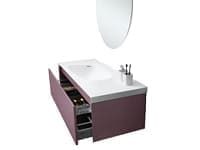
A floating vanity is a wall-mounted bathroom unit that leaves space beneath, unlike traditional floor-standing designs. The exposed floor creates a light, open feel that makes rooms appear larger. Available in different sizes and finishes, floating vanities are ideal for both minimalist and upscale bathrooms, contributing clean lines and a hovering aesthetic that elevates contemporary spaces.

The Benefits of a Floating Vanity for Small Bathrooms

Maximising space in a compact bathroom requires thoughtful design choices. A floating vanity not only saves room but also enhances both function and style. Its unique structure provides several advantages that make it a popular choice for small interiors:

  • Creates a streamlined look by avoiding floor contact, preventing the room from feeling crowded.
  • Makes cleaning easier since the exposed floor beneath can be swept and mopped without obstacles.
  • Offers flexibility for creative lighting, such as LED strips under the vanity, adding a soft glow.
  • Enhances the impression of spaciousness while remaining practical for everyday use.

Floating Vanity and the Illusion of Openness

Interior design often relies on visual tricks to make spaces appear larger, and a floating vanity gives an illusion of openness that instantly changes how the room feels. By lifting the vanity off the ground, the eye is naturally drawn to the clear floor space. This simple shift alters perception, creating the impression of more room to move.

The uninterrupted line of sight beneath the vanity makes the walls and floors appear broader, which is particularly useful in narrow or awkwardly shaped bathrooms. For homeowners seeking affordable ways to enhance space without structural renovations, this design delivers an immediate and effective impact.

The Aesthetic Effect of Floating Vanities in Bathrooms

Design is about more than practicality; it’s also about how the space feels. The floating vanity’s visual impact in bathrooms can transform even the simplest layouts. With the right finishes, colours, and accessories, a floating vanity becomes a centrepiece.

Shiny surfaces reflect light and increase brightness, whereas organic materials such as wood or stone offer a sense of warmth and elegance. The floating effect itself adds a touch of modern luxury, setting the tone for the rest of the bathroom. Even smaller designs can carry a striking presence, proving that compact doesn’t have to mean compromised.

Comparing Small Bathroom Vanity Units

Not all vanity units suit every bathroom. Traditional floor-standing units are often chosen for their storage capacity, but they can feel bulky in small bathrooms. In contrast, small bathroom vanity units that are wall-mounted save precious floor space and make the room feel lighter.

Selecting the right size is essential. A unit that is too large can overwhelm the room, while one that is too small may limit storage. Measuring the available space and balancing practicality with design ensures the vanity enhances, rather than restricts, the overall look.

Storage Potential without Sacrificing Style

One common concern about floating vanities is storage. Because they are mounted higher, homeowners sometimes assume they will hold less than floor-standing alternatives. However, many floating designs include deep drawers or shelves that maximise available space.

By choosing smart storage solutions such as built-in organisers, pull-out trays, or hidden compartments, homeowners can keep essentials neatly arranged without cluttering surfaces. This balance of function and style is particularly appealing for smaller bathrooms where every inch counts.

Cleaning and Maintenance Made Easy

Daily cleaning is often overlooked during bathroom design planning. Floating vanities make upkeep simple. Without legs or a base to trap dust, the exposed floor is much easier to clean.

Moisture can also be managed better, as the gap beneath the vanity allows air to circulate freely. This reduces the chance of damp patches forming in hard-to-reach places. A well-installed floating vanity not only adds to the aesthetic of a bathroom but also contributes to long-term hygiene and maintenance benefits.

Lighting Tricks to Enhance Space

Lighting strongly influences how spacious a bathroom appears. A floating vanity offers natural opportunities for creative illumination that make the room feel brighter and more open. Some effective approaches include:

  • Installing soft LED strips beneath the vanity to highlight the exposed floor and create a glowing effect.
  • Using mirrors above the vanity to reflect natural and artificial light, boosting brightness.
  • Combining layered lighting with the floating design for a balanced, open, and welcoming look in compact bathrooms.

Installation Considerations

While floating vanities offer many benefits, installation requires precision. Because they are wall-mounted, the strength of the wall must be checked before fitting. Heavier units, especially those made with stone or marble tops, need strong wall fixings to ensure stability.

Hiring a professional installer to prevent complications in the future. Correct placement also matters; setting the vanity at the right height ensures comfort in daily use. Planning installation carefully allows homeowners to enjoy the style and practicality of their new unit with peace of mind.

Final Thoughts

So, does a floating vanity make a bathroom look bigger? Yes, by freeing floor space, improving light flow, and providing sleek storage, it creates a sense of openness. The modern look fits seamlessly into a variety of bathroom themes, from minimalism to luxury. Its adaptability means it remains stylish even as trends change.

For those shopping for bathroom items in the UK, getting a floating vanity from RNK can be a practical yet fashionable choice. When paired with durable materials and high-quality craftsmanship, it provides a bathroom feature that balances visual appeal with everyday function.

Explore our extensive collection of vanities designed with durability, elegance, and timeless appeal to transform your bathroom into a more inviting space.

Choosing Rimless vs. Rimmed Basin: Pros and Cons

A bathroom basin is more than just a functional fixture; it sets the tone for the entire space. The decision between rimless and rimmed designs goes beyond looks, touching on hygiene, ease of cleaning, and everyday use. Each style brings its own strengths and drawbacks, making it important to weigh the details before choosing the one that fits your home best.

Understanding the difference between rimless and rimmed basin designs helps in making an informed choice that balances aesthetics, cost, and maintenance.

1. Rimless Basins

Rimless basins are known for their sleek appearance and practicality. With no edge, cleaning becomes straightforward and less time-consuming. Germs and limescale find fewer places to settle, which is ideal for households prioritising hygiene. They also provide a modern look that complements contemporary bathroom interiors.

Why Families Prefer Rimless Options?

  • Easy cleaning with fewer hidden spots.
  • A streamlined design that looks stylish.
  • Reduced maintenance compared to traditional models.

Drawbacks of Rimless Basins

On the downside, rimless basins can sometimes lead to water splashes outside the bowl due to the open design. They also tend to be more expensive than traditional rimmed options.

2. Rimmed Basins

Rimmed basins remain a popular choice for many households due to their durability and classic design. The raised edge helps contain splashes, making them practical in busy bathrooms. They are also widely available in different shapes and sizes, offering flexibility for both traditional and modern interiors.

Why Families Choose Rimmed Options?

  • Extra protection against water spills and splashes.
  • A timeless style that suits a variety of bathroom themes.
  • Affordable and widely accessible in different designs.

Drawbacks of Rimmed Basins

While rimmed basins have long been the traditional choice, they come with drawbacks. One of the most common challenges is the cleaning issues associated with a rimmed basin. Dirt, grime, and soap residue often build up under the rim, requiring regular scrubbing with brushes and cleaning agents. It requires higher effort to maintain hygiene due to the build-up of hidden stains. For busy households, this may not be the most practical option, especially when easier alternatives are available.

Rimless vs Rimmed Basins: An Overview

1. Cost Considerations

The most important factor in the decision-making process is cost. Homeowners often look for a clear rimless vs rimmed basin cost comparison to understand long-term value.

  • Rimless basins may cost slightly more initially because of their modern design and advanced manufacturing.
  • Rimmed basins are generally more affordable at purchase but may lead to higher cleaning product expenses and more frequent replacements due to wear.

2. Style Comparison

The choice between rimless and rimmed bathroom fixtures goes beyond cost and cleaning. It also impacts the overall design of a bathroom. Rimless fixtures pair well with contemporary interiors, while rimmed basins suit more traditional spaces.

  • Rimless basins are modern, minimalistic, and sleek.
  • Rimmed basins are classic, traditional, and functional.

3. Durability and Maintenance

When considering durability, both types can last for years if made from high-quality materials. Rimless basins, however, may retain their fresh look for longer because cleaning is easier and limescale is less likely to accumulate. Rimmed basins may show wear sooner, especially if not cleaned frequently.

Maintenance efforts and costs often tip the balance in favour of rimless basins for families with busy routines.

4. Suitability for Small Bathrooms

For homes with limited space, basin choice makes a noticeable difference. Compact designs are increasingly popular, and many homeowners select modern bathroom basins to maximise space without compromising style. Rimless basins, with their smooth edges and sleek lines, often give small bathrooms a more open feel compared to bulkier rimmed options.

5. Installation and Practicality

Installation for both rimmed and rimless basins depends on the design. Wall-mounted rimless basins save floor space, while rimmed models are often easier to install. Families should also consider practical use; children may find rimmed basins easier as the raised edge helps contain splashes, while adults may prefer rimless designs for effortless cleaning.

6. Hygiene Issues

Hygiene is one of the most decisive factors in this comparison. Rimless basins are undeniably more hygienic since they minimise the hiding spots for dirt and bacteria. Rimmed basins, though functional, demand more attention to maintain cleanliness. For households with higher hygiene priorities, rimless designs are generally the safer choice.

7. Long-Term Value

When assessing long-term value, rimless basins tend to outperform rimmed options. Although the initial cost might be greater, the savings from shorter cleaning times, diminished need for cleaning supplies, and prolonged freshness offer greater benefits in the long run. Families seeking both practicality and design will often find rimless basins to be a more reliable option.

8. Ease of Installation and Setup

Another aspect homeowners often overlook is installation. When comparing rimless vs rimmed bathroom fixtures, rimmed basins are generally simpler to fit, making them a common choice for quick bathroom upgrades. Their traditional design works well with most plumbing setups, which keeps fitting costs down.

Rimless basins, on the other hand, may require a more precise installation process due to their open-edge design. While this can mean slightly higher fitting expenses, the end result is a sleek, hygienic feature that blends seamlessly with modern bathrooms.

Shopping For Bathroom Products

When making a decision, quality and trusted sources are just as important as design. A lot of homeowners choose to purchase bathroom products over the internet to access a diverse selection of basin choices. Reliable suppliers ensure that both rimless and rimmed designs are available with warranties, durability, and high-quality finishes.

Rimless vs Rimmed Basin Comparison

Feature Rimless Basin Rimmed Basin
Design Modern and sleek Traditional and classic
Cleaning Easy, smooth surface Harder, dirt collects under the rim
Hygiene More hygienic Less hygienic
Cost Higher upfront, long-term value Lower upfront, may cost more in upkeep

Final Thoughts

Choosing between rimless and rimmed basins depends on budget, lifestyle, and design taste. Rimmed basins are affordable yet harder to clean, while rimless options cost more but offer better hygiene, simple maintenance, and modern appeal. When buying bathroom products online in the UK, balancing style and value is key.

If you’re considering a bathroom renovation and seek premium basins that blend resilience with sophisticated design, check out RNK’s exceptional range of products.

Are Floating Vanities Safe For Kids?

Floating vanities have become a stylish addition to modern bathrooms, offering a clean, space-saving design. They create the illusion of more floor area and are particularly popular in homes looking for a sleek and contemporary finish. However, when families with children consider installing them, safety becomes a central question.

Continue reading to learn about their practicality, safety elements, and essential parenting tips in this guide.

Understanding Floating Vanities

A floating vanity is installed straight onto the wall and does not make contact with the floor. This design makes cleaning the bathroom easier and can help a small space feel larger. Families often appreciate the modern aesthetic, but concerns arise around stability, durability, and how children interact with these units.

Common Safety Concerns around Floating Vanities

Parents naturally prioritise safety in shared spaces, and bathrooms are no exception. Some of the most common safety concerns associated with a floating vanity in a bathroom include:

  • Children attempting to climb or hang from the unit.
  • Risk of injury if the vanity is not installed securely.
  • Weight restrictions may not be suitable for all households.
  • The possibility of objects falling from the countertop within a child’s reach.

Family-Friendly Floating Vanity Weight Limit

One of the most crucial considerations is the floating vanity weight capacity for families. Manufacturers typically provide specific load-bearing limits, and these must be followed carefully. Exceeding the recommended weight may compromise stability and pose risks.

Parents should:

  • Choose vanities designed with reinforced brackets and durable materials.
  • Avoid placing extremely heavy items like stone basins without checking compatibility.
  • Regularly inspect fittings to ensure they remain secure.

Understanding capacity helps families make informed decisions about both design and practicality.

Floating Vanity Child Safety Tips

Parents can take several steps to reduce risks and keep bathrooms safe. Following essential floating vanity child safety tips ensures both functionality and peace of mind.

  • Teach children not to climb on the vanity.
  • Install rounded-edge countertops to reduce the chance of injury.
  • Place frequently used items within reach to discourage children from pulling on the vanity.
  • Use slip-resistant mats around the vanity area to minimise falls.

These small adjustments can make a significant difference in creating a child-friendly bathroom.

Preventing Accidents with Floating Vanities

One of the main goals of parents is to prevent accidents with floating vanities. While floating units are generally safe when installed correctly, extra precautions are advisable.

  • Secure installation by a professional ensures the vanity is fitted into wall studs.
  • Avoid using lightweight plasterboard walls as the sole support structure.
  • Supervise younger children in the bathroom, especially during playtime.
  • Choose soft-closing drawers and doors to avoid pinching small fingers.

Consistent supervision combined with safe design reduces the risk of accidents significantly.

Design Choices that Improve Safety

Selecting the right design can contribute to overall bathroom safety. Consider vanities with built-in storage so items like razors, cleaning products, and cosmetics remain out of children’s reach. Lockable drawers and cupboards can provide extra security. Choosing small bathroom vanity units in family homes can also make the space easier to manage, keeping things accessible while minimising clutter.

Materials and Durability

The material used in constructing a floating vanity has a direct impact on its strength and safety. Solid wood, reinforced resin stone, or sintered stone vanities are more reliable than lightweight alternatives. Durable materials not only improve longevity but also support higher weight capacities, which is vital for busy family bathrooms.

Safe Installation Matters

A floating vanity is only as secure as its installation. Proper fitting by a qualified professional ensures the structure can bear the intended weight. Anchoring into studs or reinforced walls prevents detachment over time. Parents should also request periodic inspections, especially if children frequently use the space.

Teaching Bathroom Safety to Children

Safety is not just about products; it also involves habits. Teaching children safe bathroom practices helps prevent accidents. Encourage them to use step stools rather than climbing onto vanities. Show them how to handle taps gently, and remind them that vanities are not play structures. Consistent guidance instils responsible habits early.

Long-Term Maintenance for Safety

Even the most secure vanity requires ongoing care. Over time, fixtures can loosen, materials may wear, and walls can shift slightly. Families should create a maintenance checklist:

  • Tighten brackets and screws periodically.
  • Check for cracks or movement in the vanity.
  • Replace worn-out seals or supports promptly.
  • Keep moisture levels under control to avoid damage to walls or brackets.

Creating a Family-Friendly Bathroom

Designing a bathroom with children in mind goes beyond the vanity. Slip-resistant flooring, soft-close toilet lids, and shatterproof mirrors all contribute to a safer space. Combining these features with careful vanity choices ensures a bathroom that is stylish, practical, and secure for all family members.

Why Families Still Choose Floating Vanities?

Despite concerns, floating vanities remain a popular choice for family bathrooms. They free up floor space, make cleaning easier, and provide a modern aesthetic. With correct installation and safe practices, they can be equally as secure as conventional vanities. Parents who prioritise safety precautions find these units both functional and visually appealing.

Shopping For Reliable Bathroom Products

Families often compare suppliers when searching for durable and safe bathroom solutions. Exploring trusted sources of bathroom accessories helps ensure authenticity and reliability. High-quality products offer better support, enhanced safety, and a longer lifespan. Choosing durable units gives families peace of mind that their investment will last.

Final Thoughts

Floating vanities can be safe for children when parents focus on proper installation, weight limits, and daily use. Applying simple child safety tips helps reduce risks and ensures the unit remains secure for family bathrooms. With thoughtful planning and supervision, parents can enjoy the modern style of floating vanities without compromising safety.

For long-term reliability, it is worth exploring trusted bathroom items in the UK to find designs that combine strength with elegance. If you are planning a bathroom upgrade and want stylish yet durable vanities designed with family safety in mind, explore the premium collection by RNK.